Choosing a Crazy Contact Lens in 2026 requires more than matching a costume or social media trend. Decorative lenses still touch the eye directly. Poor fit, unsafe materials, or contaminated storage can cause scratches, infection, blurred vision, and lasting damage. Looks can mislead.
A safer choice begins with a licensed eye-care professional. An optometrist can measure your eyes, assess tear health, and recommend an appropriate lens diameter and base curve. Ask for the product’s manufacturer, material details, care instructions, and local regulatory approval. A trustworthy seller should request a valid prescription where required, not offer anonymous lenses in unmarked packaging. Regulatory rules differ by country, so verify guidance from your national health authority.
Daily habits matter just as much. Wash and dry your hands before handling lenses. Use fresh, approved disinfecting solution, and never share lenses or sleep in them unless specifically directed. Replace the case regularly. Stop immediately if you notice pain, redness, unusual discharge, light sensitivity, or sudden vision changes. Seek urgent professional care.
A common mistake is trusting attractive packaging too quickly. I would question that choice, even when reviews look convincing. Customer photos cannot confirm sterility or proper fitting. Real-world safety depends on professional evaluation, traceable products, careful hygiene, and honest attention to discomfort. If a lens feels wrong, remove it. Style is optional; healthy vision is not.
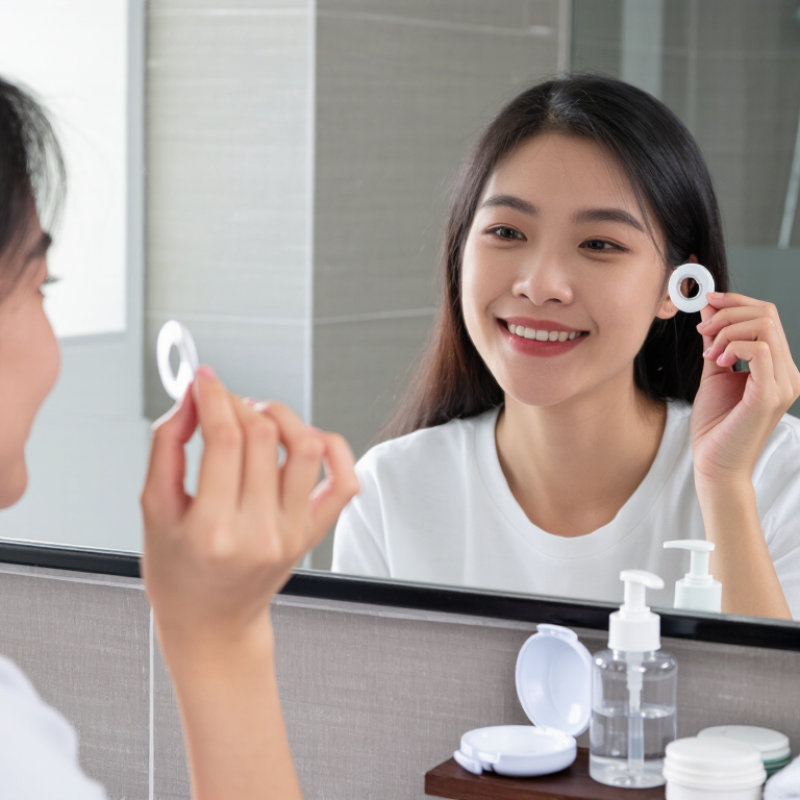
Crazy contact lenses can change your appearance dramatically, but safety depends on more than a striking design. A qualified eye-care professional should check your eyes before fitting any lens. Even non-prescription lenses sit directly on the cornea. Poorly fitted lenses may cause scratches, infections, blurred vision, or painful redness. They are medical devices, not simple costume accessories.
Choose lenses from a legitimate, regulated seller with clear product information. The packaging should show the material, diameter, replacement schedule, lot details, and expiration date. Avoid loose lenses in unmarked containers. They may look harmless. They may not be.
Wash and dry your hands before touching the lenses. Use fresh approved solution, never tap water or saliva. Do not share lenses, sleep in them, or wear them while swimming. Replace the storage case regularly. If your eyes feel gritty, light-sensitive, unusually dry, or painful, remove the lenses immediately and contact an eye-care professional. Continuing “just for a few hours” is a poor gamble.
Comfort is not proof of safety. Some problems develop quietly. I would also question online advice that promises every lens fits everyone. It does not. A professional fitting, careful hygiene, and honest attention to warning signs remain more reliable than appearance alone.
Unusual contact lenses can change your appearance quickly, but they still sit directly on your cornea. A dramatic design does not make eye health less important. Before buying, arrange an eye examination with a licensed eye-care professional. This applies even when the lenses have no vision correction. “Plano” does not mean risk-free.
The examination should check your corneal shape, tear quality, eyelids, and overall eye health. A professional fitting also helps confirm the correct diameter, curvature, and movement. Lenses that feel tight may reduce oxygen and leave red marks. Lenses that move too much can blur vision or scratch the eye. A proper fit should feel comfortable, not merely look impressive in a mirror.
Ask how to clean, store, and replace the lenses. Never share them, sleep in them, or rinse them with tap water. Follow the wearing schedule, even during a long costume event. Stop immediately if you notice pain, unusual redness, discharge, light sensitivity, or sudden blurry vision. Seek prompt medical care if symptoms continue.
It is easy to focus on color and forget the fitting appointment. I understand that temptation. Still, appearance is only one part of a safe choice. Professional advice may feel inconvenient, and I have sometimes underestimated that step. The inconvenience is smaller than treating a preventable eye injury. Check the seller’s product information and local requirements, but do not replace an eye examination with online reviews.
Crazy contact lenses can change an ordinary outfit in seconds. They can also hide serious risks. The CDC estimates that about 45 million people in the United States wear contact lenses. Its surveillance reports repeatedly connect poor hygiene with preventable eye infections.
Choose lenses made from documented, oxygen-permeable materials. Hydrogel or silicone hydrogel specifications should appear clearly. “Soft” alone is not enough. Check the base curve and diameter against your eye-care professional’s measurements. A dramatic lens that feels tight may reduce oxygen and scratch the cornea.
Seller quality matters as much as lens design. The FDA classifies decorative lenses as medical devices in the United States. A prescription and professional fitting are required there. Other regions use different rules, so verify local requirements.
Look for sealed packaging, a visible lot number, expiration date, care instructions, and manufacturer details. Labels should reference recognized standards, such as ISO 18369 for ophthalmic contact lenses. Missing information is a warning sign. So is a seller promising “one size fits all.”
Product photos are not safety evidence. I have learned that attractive packaging can create false confidence.
Tips:
Ask an optometrist to check fit before wearing them. Wash and dry hands carefully. Never share lenses, sleep in them, or rinse them with tap water. Replace the case regularly.
Remove lenses immediately for pain, redness, blurred vision, or unusual light sensitivity. Seek urgent professional care if symptoms continue.
CDC data shows many wearers report risky habits, and I still underestimate how quickly a small shortcut becomes a serious problem.
A striking design should not outweigh a safe fit. Choose lenses after an eye examination with a licensed eye-care professional. Ask about diameter, base curve, oxygen permeability, and pupil coverage. A large lens may rub the cornea, while a small pupil opening can blur vision in dim rooms. Comfort matters more than a dramatic mirror effect.
Wear time needs discipline. Follow the prescribed schedule, even when your eyes feel normal. Never sleep, swim, or shower in cosmetic lenses unless a qualified professional specifically approves it. The CDC reported nearly one million contact-lens-related eye infection visits in the United States during 2010. That figure still deserves attention. My practical mistake would be treating “only for a party” as automatically safe.
Clean hands first. Rub and rinse reusable lenses with fresh recommended solution, then store them in a clean case. Never use tap water, saliva, or leftover solution. Replace the case at least every three months, as advised by the CDC.
The FDA classifies decorative contact lenses as medical devices in the United States, so purchase them through a lawful, professional channel. Remove lenses immediately after pain, redness, discharge, light sensitivity, or sudden blurred vision. Eye appearance can be deceptive. Reliability sometimes means cancelling the look.
Choosing crazy contact lenses safely starts with recognizing trouble early. Decorative lenses can reduce oxygen flow and irritate the cornea when poorly fitted. The U.S. Centers for Disease Control and Prevention estimates that about 45 million Americans wear contact lenses. Its reports also show that risky hygiene habits remain common among users. Appearance should never outrank eye health.
Warning signs include persistent redness, sharp pain, light sensitivity, unusual discharge, sudden blur, or a gritty feeling. Remove the lenses immediately with clean, dry hands. Do not rinse them with tap water or wear them again. Seek urgent advice from an eye-care professional, especially when vision changes. Do not wait. The U.S. Food and Drug Administration reviewed 1,075 reports of serious contact-lens infections from 2005 to 2015. More than 10% required hospitalization, showing how quickly a minor irritation can become serious.
Buy only lenses supplied through a lawful, professional fitting process. A prescription alone is not enough; diameter, curvature, material, and wearing time matter. Follow the clinician’s cleaning instructions exactly. Never sleep or swim in lenses unless specifically advised. I have seen people dismiss redness after a costume event, assuming it was temporary. That judgment can be wrong. Even careful users make mistakes, so carrying glasses and recording symptoms can help. If discomfort continues after removal, professional evaluation should come before any cosmetic decision.
Recognizing Warning Signs and Responding to Eye Problems
The chart groups nine warning signs identified in contact-lens safety guidance. Any unusual pain, redness, discharge, light sensitivity, burning, itching, excessive tearing, gritty feeling, or blurred vision should be treated seriously: remove the lenses immediately and contact an eye-care professional promptly. Do not wear the lenses again until a professional confirms that it is safe.
Source: U.S. Food and Drug Administration, “Contact Lens Safety.”
Not automatically. Even non-prescription lenses sit directly on the cornea. A licensed eye-care professional should examine and fit them first.
They should check corneal shape, tear quality, eyelids, and general eye health. Correct diameter, curvature, and movement matter. Appearance alone is not enough.
Choose a regulated seller with complete product information. Packaging should show material, diameter, replacement schedule, lot details, and expiry date. Avoid loose lenses in unmarked containers.
Wash and dry your hands before touching them. Use fresh, approved solution. Never use tap water or saliva. Small habits matter.
No. Sharing can transfer harmful organisms and increase infection risk. Do not sleep or swim while wearing them.
Remove them immediately for pain, persistent redness, discharge, light sensitivity, sudden blur, or gritty feelings. Do not wear them again until advised by a professional.
Seek prompt eye-care advice, especially after vision changes. Do not wait several hours. Continuing to wear them is a poor gamble.
No. Some problems develop quietly. I sometimes trust comfort too quickly, but fit and hygiene still need professional confirmation.
Follow the recommended wearing schedule, carry glasses, and keep approved solution available. Check your eyes afterward. A mirror cannot detect every problem.
Choosing a Crazy Contact Lens safely in 2026 means treating it as a medical product rather than a simple fashion accessory. Start by checking your eye health and seeking professional guidance for proper fitting, especially if you have dry eyes, allergies, vision problems, or a history of eye conditions. Review the lens material, seller reliability, packaging, instructions, expiration date, and safety labeling before purchasing. Avoid products with unclear origins or incomplete information.
Your choice should also match your intended design, lens size, wearing time, and comfort needs. Follow a careful cleaning and storage routine, never share lenses, and do not sleep or swim while wearing them unless specifically approved by an eye-care professional. Remove the lenses immediately if you notice pain, redness, blurred vision, unusual sensitivity to light, swelling, or discharge. If symptoms continue or worsen, stop wearing the lenses and seek prompt professional care to protect your vision.
