Dry, gritty eyes can make a comfortable lens feel like sand by mid-afternoon. The TFOS DEWS II report estimates dry-eye prevalence at 5% to 50%, depending on the population and diagnostic methods (Craig et al., The Ocular Surface, 2017). That wide range matters. Symptoms alone cannot identify the cause or the best lens.
Ocular-surface researcher Jennifer P. Craig and her co-authors define dry eye as “a multifactorial disease of the ocular surface characterized by a loss of homeostasis of the tear film.” Their wording is a useful reminder: dryness is not simply a lack of moisture. For this guide, a Moisturizing Contact Lens means a lens designed to support comfort through features such as material, surface treatment, or water-retention technology. Small details matter. A higher water percentage is not automatically better; that assumption is tempting, but incomplete. Lens fit, replacement schedule, screen habits, and compatible rewetting drops can also affect comfort. Not a cure-all.
The sections ahead compare lens materials and moisture-focused designs, then explain what product claims can—and cannot—tell you. A lens that feels soft in the store may still dry out during a long commute or an air-conditioned workday. There is no universal winner. Persistent pain, redness, or blurred vision deserves an eye-care professional’s assessment, not another guess at the shelf. One limitation remains: product studies do not always compare lenses under identical conditions. Keep that in mind while weighing the evidence.
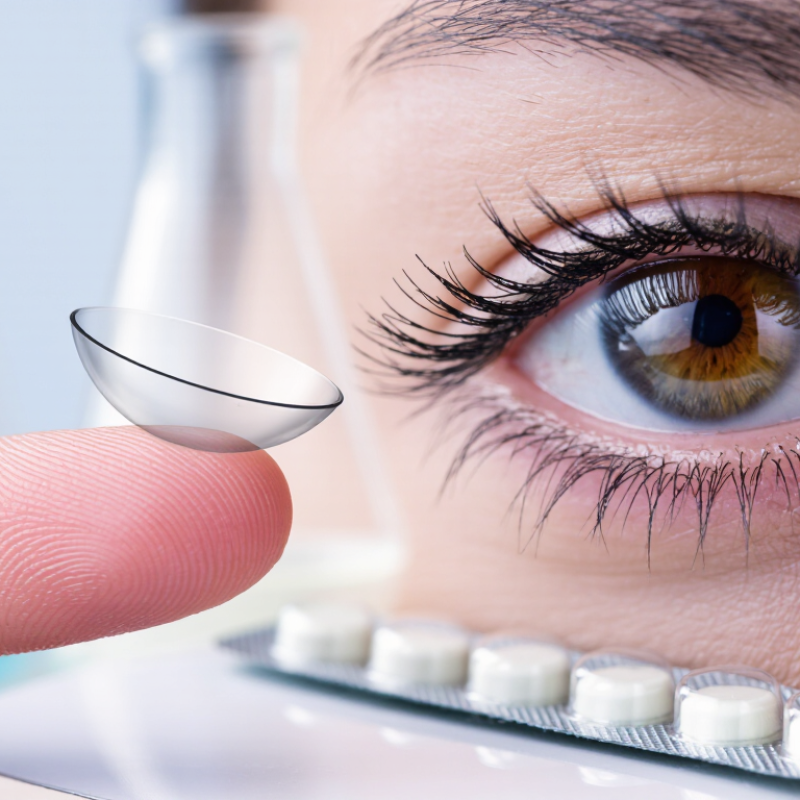
Dry eye symptoms can come from different problems, so lens choice should begin with identifying the cause. Aqueous-deficient dry eye means the eyes produce too few tears. Evaporative dry eye occurs when tears disappear too quickly, often because the oil glands work poorly. Some people have both. That distinction matters.
The TFOS DEWS II Epidemiology Report states that dry eye prevalence varies widely, reaching about 50% in some populations and definitions. Symptoms may include burning, gritty feelings, fluctuating vision, redness, or discomfort after several hours of wear. Severity matters too. Mild dryness may improve with regular breaks and suitable lens materials. Persistent pain, light sensitivity, or blurred vision needs professional assessment before wearing lenses.
A contact lens discomfort report published in Investigative Ophthalmology & Visual Science found that roughly 30% to 50% of wearers experience discomfort. The exact figure depends on the study. It is not a perfect measurement.
Tips: Track when discomfort begins, such as after lunch or during screen use. Note whether blinking briefly improves vision. An eye-care professional can examine tear quantity, evaporation, eyelid glands, and lens movement. Ask about high-water-content and lower-water-content options, but do not assume more water always means better comfort. Preservative-free lubricating drops may help some users, yet unsuitable drops can worsen irritation. Replace lenses on schedule, and stop wearing them if pain or sudden vision changes appear.
Choosing moisturizing contact lenses for dry eyes requires more than selecting the highest water content. Lens material matters because silicone hydrogel lenses usually allow more oxygen to reach the cornea. This can support longer, healthier wear, especially for people who use screens or wear lenses throughout the workday. However, oxygen permeability is not the only factor. A highly breathable lens may still feel uncomfortable if its surface dries quickly.
Water content can be surprisingly confusing. High-water lenses may feel soft at first, but they can lose moisture faster in dry air. The lens may then draw water from the tear film, causing irritation. Lower-water materials often retain their shape and may reduce evaporation for some wearers. That does not make them universally better. Tear quality, blinking habits, and wearing time change the result.
During a professional fitting, ask about material, water content, oxygen permeability, and surface moisture technology. An eye-care professional should also check the lens movement and the condition of your cornea. A lens that feels comfortable for two hours may become gritty after eight hours. Screen use can make this worse because blinking decreases. My earlier assumption was that more water always meant more comfort. It was too simple. Comfort depends on the whole lens design, not one impressive number. Stop wearing lenses if you develop persistent pain, redness, light sensitivity, or blurred vision, and seek prompt eye care.
Moisture performance is not captured by water content alone. A lens with a high water percentage may still feel dry on your eyes. Review product information for wettability, dehydration resistance, and recommended wearing time. These details can help, but they do not predict comfort perfectly. Fit matters.
Think about when dryness appears. If your eyes feel gritty by late afternoon, note your screen time, room heating, and lens-wearing hours. Small details matter. Ask an eye-care professional whether the lens material and fit suit your eyes. A lens that feels comfortable in the morning may not stay comfortable all day.
Replacement schedules affect moisture and cleanliness. Daily lenses are discarded after one day, while reusable lenses must follow their prescribed replacement interval and cleaning routine. Do not stretch that interval because a lens still feels fine. Do not guess. Replace lenses as directed, and never add extra wearing time without professional advice. If you develop persistent redness, pain, light sensitivity, or blurred vision, remove the lenses and seek prompt eye-care guidance. Dryness has several possible causes, so changing lens type alone may not solve it.
Dry eyes can make contact lenses feel scratchy by mid-afternoon, but a “moisturizing” label does not guarantee a comfortable fit. Lens size, shape, and movement on the eye matter. An eye-care professional can check whether a lens centers well and moves gently with each blink. A lens that is too tight may reduce tear exchange; one that moves too much can rub the surface. Comfort is useful feedback, but it cannot confirm a healthy fit on its own.
Tips: Bring your current lenses and describe when discomfort starts. Mention allergies, medications, past eye infections, and how many hours you wear lenses. Ask whether the lens material and replacement schedule suit your tear film and eye health. Follow the prescribed wearing time, even on busy days.
Dryness may also relate to screen use, room airflow, or underlying eye conditions. Compatibility should be checked during an exam, especially if you have sensitive eyes or a history of corneal problems. It is easy to blame the lens too quickly; sometimes the cause is less obvious. If redness, pain, light sensitivity, or blurred vision develops, remove the lenses and contact an eye-care professional promptly. Do not keep testing a lens that causes persistent irritation.
Compare common replacement schedules, then check lens fit and compatibility with your eye health.
How to read this chart: The bars show the usual replacement interval in days—not moisture, comfort, or dry-eye suitability. Follow the replacement instructions for your specific lenses. An eye-care professional can assess lens fit, your tear film and eye surface, and whether a lens is compatible with your eye health. Never extend the prescribed replacement schedule.
Comfort is personal, so a lens labeled for dry eyes may still feel uncomfortable. Notice how your eyes feel late in the day, not just when you first insert the lenses. Redness, burning, or a gritty feeling can signal that the fit, wearing schedule, or lens material needs review. A contact lens professional can assess your tear film and eye health before recommending options. More moisture is not automatically better; the right choice depends on your eyes and daily routine. That matters.
Care requirements also affect comfort. Follow the cleaning and replacement schedule prescribed for your lens type, and wash and dry your hands before handling lenses. Never rinse or store lenses in tap water. If you use eye drops, ask whether they are suitable for contact lenses. Daily disposable lenses may simplify cleaning, while reusable lenses require consistent disinfection. The extra steps can be easy to underestimate.
Plan follow-up visits, even when the lenses seem fine. An eye care professional can check fit and the surface of your eyes, then adjust the plan if symptoms persist. Keep track of when discomfort starts and how long you have worn the lenses; those details help make the appointment more useful. Remove the lenses and seek prompt professional advice for significant pain, light sensitivity, or sudden blurred vision. Comfort deserves ongoing attention.
| Lens option | Comfort considerations for dry eyes | Care requirements | Follow-up needs | What to discuss with an eye care professional |
|---|---|---|---|---|
| Daily disposable soft lenses | A fresh lens is used each day, which may help people who are sensitive to deposits. Comfort still depends on the lens fit, material, tear film, and wearing time. | Discard after one day; no lens case or routine cleaning solution is needed. Never reuse a daily disposable lens. | Have the fit and eye health checked as advised. Reassessment may be needed if dryness, redness, or blurred vision develops. | Ask whether a daily lens is suitable and whether its material and fit work with your tear film and prescription. |
| Reusable silicone hydrogel soft lenses | These lenses generally allow more oxygen to pass through than conventional hydrogel lenses. Higher oxygen transmission does not guarantee greater comfort or prevent dryness. | Follow the prescribed replacement schedule and lens-care instructions. Clean and disinfect with the recommended system, and replace the case as directed. | Attend routine contact lens checks; the clinician can review lens fit, wearing time, deposits, and signs of irritation. | Discuss whether oxygen transmission, surface properties, and replacement frequency are appropriate for your eyes. |
| Reusable hydrogel soft lenses | Hydrogel lenses contain water, but water content alone does not predict comfort. Some lenses may feel less comfortable as they dry or collect deposits during wear. | Use only the prescribed cleaning and disinfection routine. Do not top off old solution, rinse lenses with tap water, or wear lenses beyond their replacement schedule. | A contact lens professional should check fit and eye surface health, particularly if symptoms worsen during the day. | Ask about lens dehydration, deposit buildup, replacement schedule, and whether a different material or wearing routine may be more comfortable. |
| Specialty scleral lenses | These larger, rigid lenses vault over the cornea and hold a fluid reservoir beneath them. They may be considered for selected people with significant ocular-surface problems, but they require specialist assessment and are not a routine first choice for everyone with dry eyes. | Insertion, removal, filling, and cleaning require specific training and clinician-approved products. Follow the prescribed hygiene routine carefully. | Specialist fitting and follow-up are important to assess lens clearance, fit, vision, and eye health; additional adjustments may be required. | Ask whether your symptoms or eye condition warrant a specialty lens evaluation and what training and follow-up would involve. |
| Any prescribed lens with an approved lubricating drop | Lubricating drops labeled for use with contact lenses may provide temporary relief for some wearers. They do not correct an unsuitable fit or treat every cause of dry eye. | Check that the drops are compatible with contact lenses and follow the label or clinician’s directions. Avoid using drops not approved for lens wear while lenses are in the eyes. | If drops are needed often or symptoms persist, arrange an eye examination to review the cause and treatment plan. | Ask which drops are suitable for your specific lenses and whether a lens-free break or dry-eye treatment is needed. |
Important: Contact lenses require a current prescription and professional fitting. Stop wearing lenses and seek prompt eye care for eye pain, marked redness, light sensitivity, discharge, or sudden blurred vision. Lens choice should be based on an eye examination, not on water content or a “moisturizing” label alone.
Aqueous-deficient dry eye means your eyes produce too few tears. Evaporative dry eye happens when tears disappear too quickly. Some people have both.
Burning, gritty feelings, redness, discomfort, or fluctuating vision may occur. Symptoms can worsen after several hours. They vary.
No. Lens size, shape, material, and movement all matter. A label cannot confirm that a lens fits your eyes well.
They can observe whether the lens centers and moves gently when you blink. They may also assess your tear film and eyelid glands.
Not always. The right material depends on your eyes and tear film. Ask a professional instead of guessing from the label.
Mention when discomfort begins, such as after lunch or during screen use. Also share allergies, medications, past eye infections, and daily wear hours.
Yes. Screen use and room airflow may contribute. Notice whether blinking briefly clears your vision; that detail may help, though it is not a diagnosis.
Remove them if you develop pain, redness, light sensitivity, or blurred vision. Contact an eye-care professional promptly. Persistent irritation is not worth testing again.
Choosing a Moisturizing Contact Lens for dry eyes starts with understanding when symptoms occur and how severe they are. Occasional dryness may call for different features than persistent irritation, so consider your daily environment, wearing habits, and overall eye health. Compare lens materials, water content, and oxygen permeability, since these characteristics can affect how a lens feels and how well your eyes remain comfortable throughout the day.
Also look for moisture-retention features and a replacement schedule that suits your routine. A lens should fit properly and be compatible with your eyes; comfort alone is not enough to confirm that it is the right choice. Consider the care requirements and plan follow-up visits to check fit, comfort, and eye health over time. If dryness continues or worsens, consult an eye-care professional before changing lens type or wearing habits.
