Choosing the right natural color contact lenses can drastically enhance your appearance. Jonathon Smith, a renowned optometrist and industry expert, emphasizes, “The key is to match lenses with your natural beauty.” This insight serves as a guiding principle in selecting the perfect pair.
Natural color contact lenses offer a subtle yet transformative effect. They allow you to enhance your eye color without appearing artificial. Consider your natural eye shade when making your choice. Look for lenses that blend seamlessly with or slightly improve your natural hue. Just remember, what works well for one person might not for another.
Many people overlook the importance of proper lens care. This aspect is crucial for both comfort and eye health. Regularly assess your lenses for wear and tear. It's easy to assume your lenses are fine, but this can lead to issues. A thoughtful approach can ensure that your natural color contact lenses not only look great but also feel great.
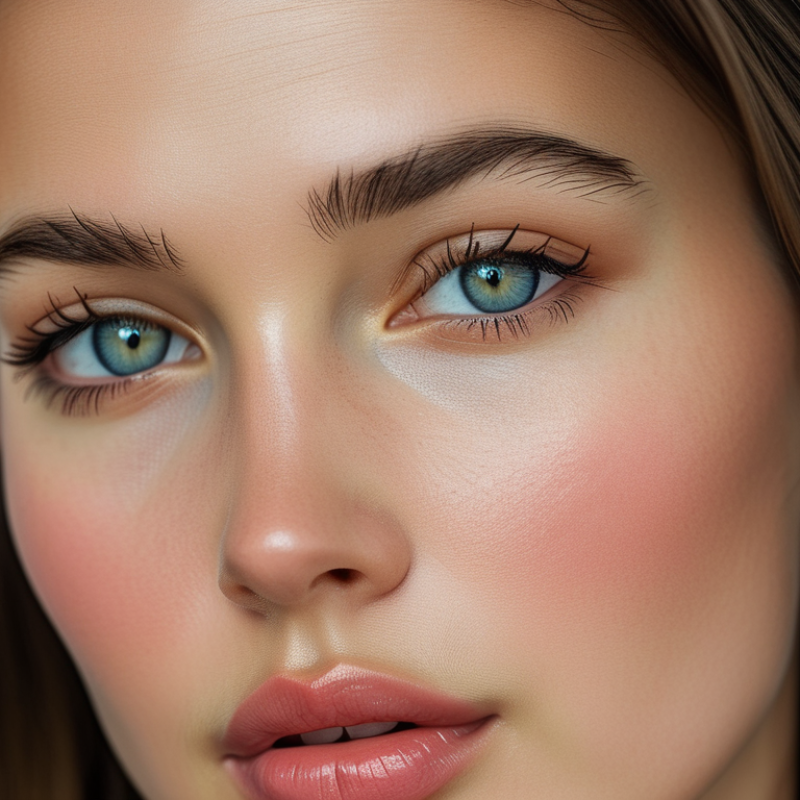
Natural color contact lenses offer a subtle enhancement to your eyes. They can mimic a natural look while providing a fresh appearance. These lenses come in various shades, allowing wearers to express their personality. Many users find that their confidence boosts significantly after using them.
Understanding the benefits is essential. These lenses can help correct vision problems, making them functional. They also protect your eyes from UV rays, which is often overlooked. However, it's crucial to find the right fit. Poorly fitted lenses can cause discomfort and potential damage to your eyes.
Not everyone has a good experience with color lenses. Some may feel they look unnatural. Others might struggle with dryness or irritation. Proper research and professional advice are vital. Evaluation of material and comfort will ensure a positive user experience. Listening to your eyes is key.
This chart illustrates the importance ratings for various factors when choosing natural color contact lenses. Each factor is rated on a scale of 1 to 10, where '10' indicates the highest level of importance.
Choosing the right shade for natural color contact lenses can be challenging. Experts suggest considering several factors that can greatly influence your choice. One critical aspect is your natural eye color. According to a report from the American Optometric Association, approximately 55% of the population has brown eyes. Lighter shades, like greens and blues, tend to stand out more against darker eyes, creating a striking effect.
Skin tone also plays a significant role. Warm skin tones typically pair well with honey or warm brown lenses. In contrast, cool skin tones look great with shades like grey or blue. A 2023 study published in the Journal of Ophthalmology found that matching lens color to skin tone improved overall aesthetic satisfaction by 40%.
However, don’t overlook personal style and preference. Lenses that may seem perfect in theory can sometimes look different in practice. Experimenting with samples is crucial. Many users report feeling uncertain after their first attempts. It’s essential to remember that what looks good on someone else may not suit your unique features. Take your time, and trust your instincts when making this decision.
When considering color contact lenses, comfort and fit are paramount. A well-fitting lens should feel like nothing at all. If you notice any discomfort, it may not be the right choice for you. It's essential to consult with an eye care professional. They can help determine your specific needs based on your eye shape and vision requirements.
Different materials used in contact lenses impact comfort levels. Some lenses might dry out your eyes more quickly than others. Choose lenses that offer breathability and moisture retention. Additionally, consider trying different sizes. Not every lens suits every eye. A poor fit can lead to irritation and blurred vision.
Pay attention to how lenses feel throughout the day. Regular assessments are crucial since your eyes can change over time. When you feel irritation or redness, it might signal that your lens choice is not the best. Reflection on personal experiences can guide you toward a more suitable product. Ensuring comfort should always come before aesthetics.
Choosing the right natural color contact lenses can be challenging. Various brands offer different types of lenses that can enhance your appearance without looking artificial. It’s essential to know what each brand specializes in to make an informed decision. Some brands excel in comfort, while others focus on vibrant colors. Think about what matters most to you.
When exploring natural color contacts, consider the lens material, design, and color options. The material impacts comfort, especially for long wear. You might prefer lenses that allow more oxygen flow. The design is crucial, too; some lenses are made to blend seamlessly with your natural eye color, while others provide a more dramatic transformation. It's worth trying out various styles to see what suits you.
Don't forget about the importance of proper fit. An ill-fitting lens can cause discomfort. Some brands may not offer the best fit for your eye shape. Do research and read reviews to learn about others' experiences. Additionally, consulting with an eye care professional is valuable. They can help assess your needs and recommend suitable options tailored for you. Always prioritize your eye health when selecting lenses.
| Feature | Description | Types | Recommended For |
|---|---|---|---|
| Color Options | Range of natural hues, from subtle to vibrant. | Green, Brown, Blue, Hazel | Everyday wear, Special occasions |
| Material | Silicone hydrogel, Hydrogel for comfort. | Soft contacts, Rigid gas permeable (RGP) | Sensitive eyes, Long wear periods |
| Prescription | Available with or without vision correction. | Prescription, Non-prescription | Myopia, Hyperopia, or cosmetic use |
| Comfort | Breathable materials for all-day comfort. | Daily disposables, Monthly wear | Frequent wearers, Active lifestyles |
| UV Protection | Some lenses offer UV-blocking properties. | With UV protection, Without UV protection | Outdoor activities, Sensitive eyes |
Maintaining and caring for color contact lenses is essential for your eye health and comfort. According to the American Optometric Association, improper care can lead to serious eye infections. Always wash your hands before handling lenses. This simple yet crucial step reduces the risk of transferring bacteria.
Storage is vital. Use the recommended solution specified by your eye care professional. A 2022 study revealed that 70% of users do not follow this guideline. This oversight can lead to discomfort and eye problems. Change your lens case regularly, ideally every three months, to prevent contamination.
Regularly inspect your lenses for tears or deposits. Discard any that are damaged. A survey indicated that 40% of users wear lenses past their recommended schedule. This practice raises the risk of corneal infection. Listen to your eyes; if they feel dry or irritated, it's time to reassess your lens usage. Ultimately, proper care is crucial for not just your lenses but also your vision.
: Natural eye color is crucial. Lighter shades pop against dark eyes, creating contrast.
Warm skin tones suit honey or warm browns. Cool tones look better with grey or blue shades.
Lenses may look different in practice. Personal style and unique features affect how they appear.
Choose lenses that fit well. They should feel almost unnoticeable when worn.
Consult an eye care professional. They can help determine the right fit and material.
Some materials retain moisture better. Others may cause dryness, leading to discomfort.
Your eyes can change. Regular evaluations help identify issues like irritation or redness.
Reflection on your experience is key. It may signal that your current choice isn't right for you.
Poorly fitting lenses can cause irritation and blurred vision. Proper fit is essential for comfort.
No, comfort should always come first. Aesthetic appeal means little if the lenses are uncomfortable.
When considering natural color contact lenses, it is essential to understand their benefits, such as enhancing your eye color while maintaining a realistic appearance. Choosing the right shade for your eyes requires evaluating your natural color and the overall look you wish to achieve. Comfort and fit are also critical factors, as poorly fitted lenses can lead to discomfort and irritation.
Additionally, it is vital to explore the variety of natural color contact lenses available in the market, as different types cater to diverse eye shapes and preferences. Proper maintenance and care for your lenses are essential to ensure both eye health and the longevity of the contacts. By following these guidelines, you can find the perfect natural color contact lens that complements your style and vision needs.
