What Is an Oxygen Permeable Contact Lens? This question deserves more than a simple definition. An Oxygen Permeable Contact Lens is a rigid lens designed to allow oxygen to reach the cornea while correcting vision. Its material feels firm, not soft. That difference can seem strange during the first few days. The lens may move slightly when you blink. This movement is intentional, because it helps tears circulate beneath the lens.
Dr. Lyndon Jones, a respected contact lens researcher, captures an important clinical principle: “Contact lenses are medical devices, not cosmetics.” That reminder matters. An Oxygen Permeable Contact Lens needs professional fitting, careful cleaning, and regular eye examinations. A lens that looks clear may still fit poorly. Small air bubbles, debris, or excessive dryness can create blurred vision and discomfort. Experience teaches wearers to notice these details early. However, personal experience is not a substitute for clinical advice.
These lenses can provide sharp vision for people with astigmatism, irregular corneas, or certain prescription needs. They are also durable when handled correctly. Still, they are not perfect. Adaptation takes patience. Some users abandon them too quickly, while others ignore warning signs. That is where better education becomes useful. This guide explains how Oxygen Permeable Contact Lens technology works, what users may feel, and which habits support safer, more comfortable wear. The goal is practical understanding, not exaggerated promises.
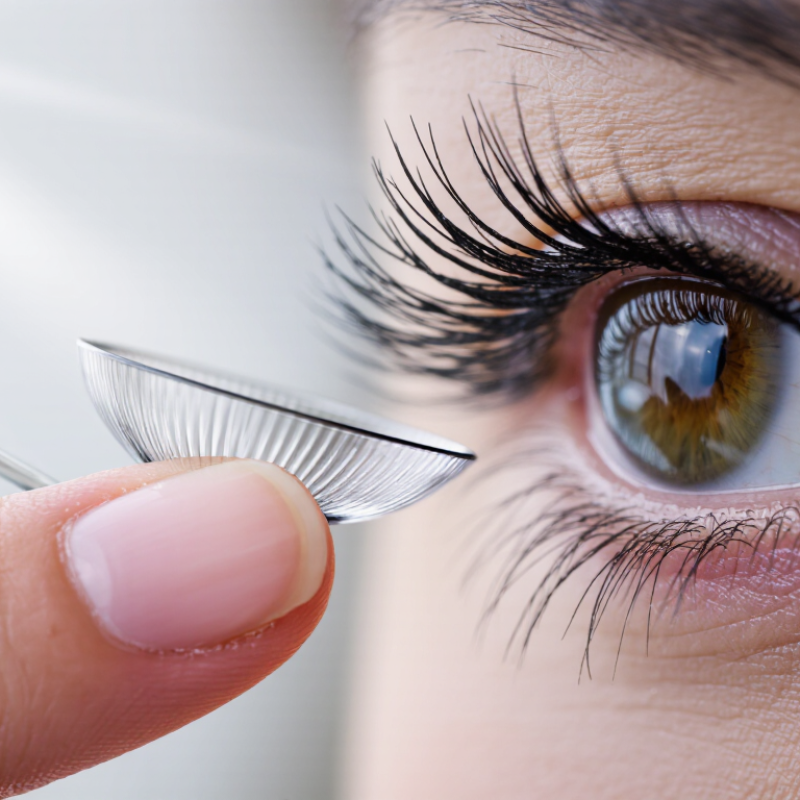
An oxygen-permeable contact lens is a rigid lens made from a gas-permeable polymer. It allows oxygen to pass through its material and reach the cornea. Unlike older non-permeable plastics, this design does not depend mainly on tear movement beneath the lens. The International Organization for Standardization describes rigid lenses through material, geometry, and performance requirements in ISO 18369-1. The definition sounds simple, but the structure is not.
A typical lens has a front surface, back surface, optic zone, peripheral curves, and edge. The back surface rests on a thin tear layer rather than directly touching the cornea. Its central zone provides vision correction. The surrounding curves control movement, comfort, and tear exchange.
Oxygen performance
Oxygen performance is commonly expressed as Dk/t, where Dk represents material permeability and t means lens thickness.
A 2023 review in Contact Lens and Anterior Eye emphasized that oxygen delivery depends on both factors, not material permeability alone. A thin lens may therefore perform differently from a thicker lens using similar material.
Professional fitting reports also show why measurements matter.
The 2024 Contact Lens Spectrum annual report continued to identify oxygen transmission and corneal health as major fitting considerations. Still, Dk/t is a laboratory value, not a personal safety guarantee.
Poor alignment, deposits, tight edges, or extended wear can reduce practical performance. I have seen this distinction overlooked. It deserves more attention. Careful evaluation remains necessary.
What Is an Oxygen Permeable Contact Lens?
How Oxygen-Permeable Lenses Work on the Eye
An oxygen-permeable contact lens is a rigid lens made from a material that allows oxygen to pass through. The lens sits over the cornea, the clear front surface of the eye. Unlike older rigid lenses, modern oxygen-permeable designs do not rely only on air moving around their edges. Oxygen can travel through the lens material and reach the cornea beneath it.
The cornea has no blood vessels, so it receives much of its oxygen from the surrounding air and tear film. Each blink spreads fresh tears across the lens surface. Those tears help carry oxygen toward the cornea and wash away small particles. A well-fitted lens also moves slightly with each blink. That movement supports tear exchange beneath the lens. Small details matter here. Lens diameter, shape, thickness, and moisture balance can all affect oxygen flow and comfort.
It is tempting to think that oxygen permeability guarantees an easy wearing experience. It does not. A lens may allow substantial oxygen transmission yet still feel dry, shift, or collect deposits. Fit is highly individual. Some wearers notice sharp vision but need time to adapt to the firm edge. Others experience irritation when dust becomes trapped underneath. An eye-care professional should evaluate the cornea, tear film, and lens movement before prescribing this type of lens. Regular follow-up remains important, because comfort alone cannot reveal every problem. Consistent cleaning also matters, although real routines are sometimes less perfect than planned.
Oxygen-permeable lenses allow oxygen to reach the cornea through the lens material. They are usually rigid gas-permeable lenses, not soft lenses. Their main materials include silicone acrylate and fluorosilicone acrylate. These polymers combine optical stability with improved oxygen transmission. Traditional PMMA lenses transmit almost no oxygen. They are now mainly historical examples.
Oxygen performance is measured by Dk and Dk/t. Dk describes material permeability, while Dk/t includes lens thickness. The Holden–Mertz criteria recommended approximately 24 Dk/t for daily wear and 87 Dk/t for extended wear. These figures remain useful, but they should not replace clinical judgment.
Several types serve different visual needs.
Corneal rigid lenses are small and rest on the cornea. They can provide sharp vision for astigmatism and irregular corneal surfaces. Scleral lenses are larger. They vault over the cornea and hold a fluid reservoir above it. This design may improve comfort, but excessive fluid thickness can reduce oxygen delivery. Hybrid lenses combine a rigid center with a soft outer skirt. They may balance visual clarity and comfort, although fitting is more complex. The 2023 International Contact Lens Prescribing Survey reported that rigid lenses remain a smaller part of the global market than soft lenses, despite their clinical value. That difference reflects convenience, not necessarily better vision. Material data can also look reassuring. Poor fit, deposits, long wearing time, or inadequate cleaning may still stress the cornea. Personal experience matters, but a qualified eye-care professional should verify fit, movement, and corneal health.
What Is an Oxygen Permeable Contact Lens?
Oxygen permeable lenses, often called rigid gas-permeable lenses, allow oxygen to reach the cornea. Their firm surface can provide sharper vision than soft lenses, especially with astigmatism or irregular corneal shape. The material also resists tearing and keeps its optical form during blinking. That stability matters when small visual details must remain clear.
Their main benefit is not comfort alone. It is oxygen delivery and consistent optics. The 2023 International Contact Lens Prescribing Survey, published by Contact Lens Spectrum, reported that soft lenses represented roughly 90% of new fits worldwide. Rigid lenses remained a smaller category. This difference reflects convenience, not automatic superiority. Compared with older hydrogel lenses, modern silicone hydrogel lenses usually offer higher oxygen transmission and easier adaptation. However, a rigid lens may still deliver clearer vision for selected eyes. Adaptation can take days or weeks. Dust may feel sharp. Lens movement can also cause awareness. That is the uncomfortable truth.
Tips: Ask an eye-care professional to measure oxygen transmissibility, commonly expressed as Dk/t. Do not sleep in lenses unless specifically prescribed. Replace the case regularly, wash hands carefully, and attend follow-up checks. A 2024 report from the U.S. Centers for Disease Control and Prevention noted that many contact-lens wearers still report risky hygiene habits. Better oxygen flow cannot correct poor cleaning. Personal fit, tear stability, and wearing time must be assessed together.
Proper Use, Cleaning, and Eye-Care Considerations
An oxygen permeable contact lens, often called a rigid gas-permeable lens, allows oxygen to reach the cornea. It usually provides sharp vision and maintains its shape during wear. However, comfort depends on accurate fitting, careful handling, and gradual adaptation. An eye-care professional should confirm the lens prescription and fit before regular use. Do not share lenses or wear them longer than recommended.
Clean hands matter. Wash them with mild soap, rinse thoroughly, and dry them with a lint-free towel. Use only the cleaning and disinfecting products recommended for your lens type. Rub the lens gently with solution before rinsing and storing it. Never use tap water, saliva, or homemade mixtures. Water can carry organisms that may cause serious eye infections. Replace the storage case as directed, and let it air-dry between uses.
Small habits protect your eyes.
Remove the lens if you notice pain, increasing redness, light sensitivity, discharge, or blurred vision. Do not simply wait for discomfort to disappear. Contact an eye-care professional promptly, especially if symptoms continue after removal. Avoid sleeping, swimming, or showering in lenses unless a qualified professional specifically allows it. Even experienced wearers can become careless with cleaning. That is worth noticing. A rushed routine may save one minute but create a much longer eye problem.
It is a rigid lens made from gas-permeable polymer. Oxygen passes through the lens and reaches the cornea. The lens rests on a thin tear layer.
The central optic zone provides correction. Peripheral curves guide movement and tear exchange. The edge affects comfort and eyelid interaction.
Common materials include silicone acrylate and fluorosilicone acrylate. They combine optical stability with improved oxygen transmission. Older non-permeable plastics are mainly historical examples.
Dk describes material oxygen permeability. The “t” represents lens thickness. Dk/t considers both factors. A thin lens may transmit oxygen differently from a thicker lens.
Corneal rigid lenses are small and rest on the cornea. Scleral lenses vault over it with a fluid reservoir. Hybrid lenses combine a rigid center with a soft outer skirt.
No. It is a laboratory value, not a personal safety guarantee. Poor alignment, deposits, thick fluid layers, or long wear can reduce practical oxygen delivery. The number can look reassuring. It is not enough.
Wash and dry your hands before handling them. Use cleaning products recommended for the specific lens. Rub gently, rinse with solution, and store properly. Never use tap water, saliva, or homemade mixtures.
Remove it for pain, increasing redness, light sensitivity, discharge, or blurred vision. Contact an eye-care professional promptly if symptoms continue. Do not sleep, swim, or shower in lenses unless specifically approved. A rushed routine can create a much longer eye problem.
An Oxygen Permeable Contact Lens is a firm, specially designed lens that allows oxygen to pass through its material and reach the cornea. Unlike soft lenses, it maintains a stable shape on the eye, which can provide clear, precise vision for some users, especially those with certain vision conditions. The lens works by resting gently over the tear layer while allowing oxygen exchange with each blink. Its performance depends on the material’s oxygen permeability, lens design, fit, and the wearer’s natural tear film.
These lenses may offer sharp vision, durability, and reduced moisture absorption, but they can require an adjustment period and may feel less comfortable at first. Proper care is essential: users should clean and disinfect the lenses as directed, store them in fresh solution, avoid using water or saliva, and follow the recommended wearing schedule. Regular eye examinations help confirm that the lenses remain clean, comfortable, and correctly fitted, while also reducing the risk of irritation or other eye problems.
