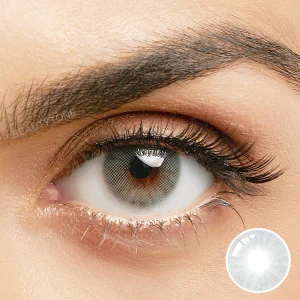
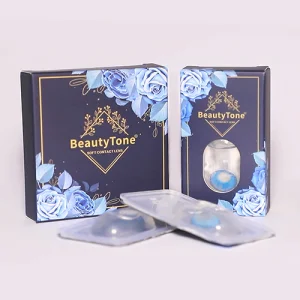
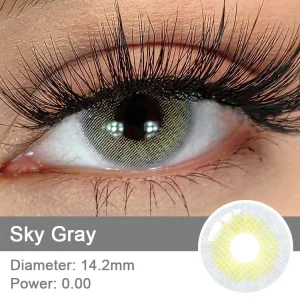
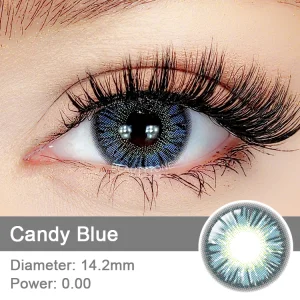
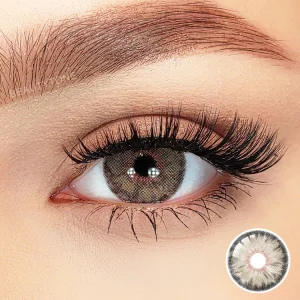
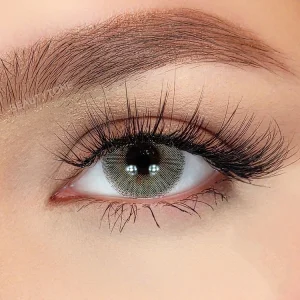
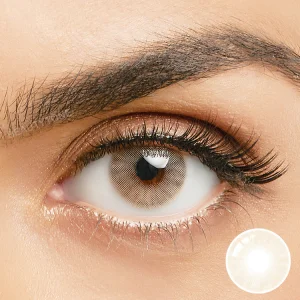
Featured Enlarging & Cosmetic Lenses
Explore our leading wholesale product catalog engineered for peak physiological comfort and vivid cosmetic impact.
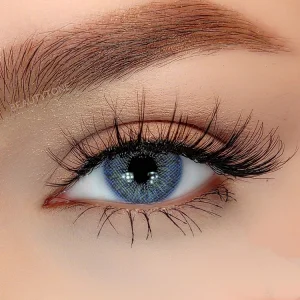
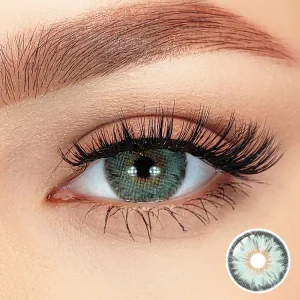
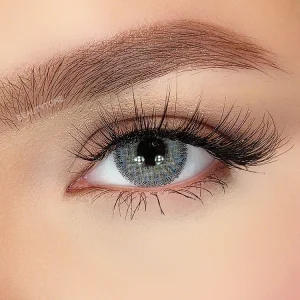
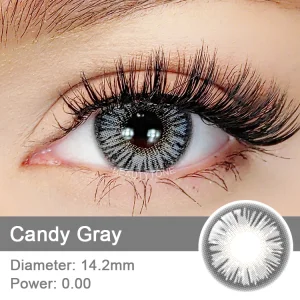
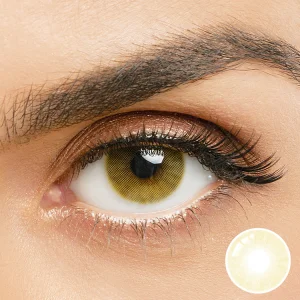
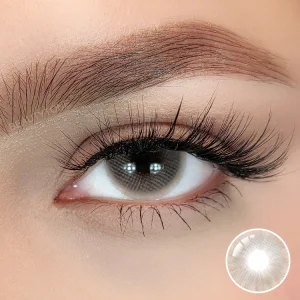
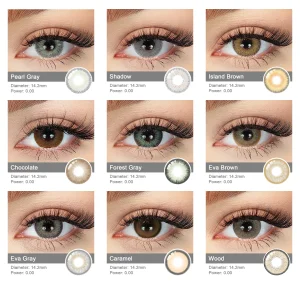
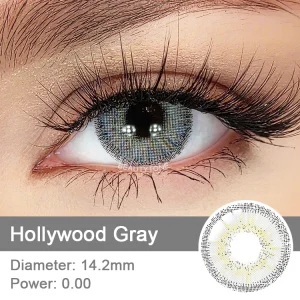
Direct from Factory | Scalable Contact Lens Manufacturing in China
Shenzhen Blinkylens Technology CO.,LTD is a premier, source-factory based in Dongguan, China, specializing in high-volume, B2B contact lens production. By eliminating intermediaries, we provide global distributors, optical chains, and bulk buyers with direct factory wholesale pricing without compromising on product excellence.
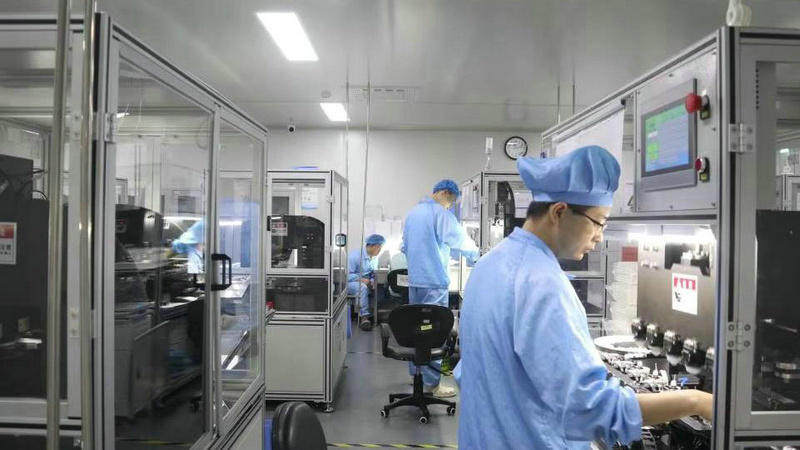
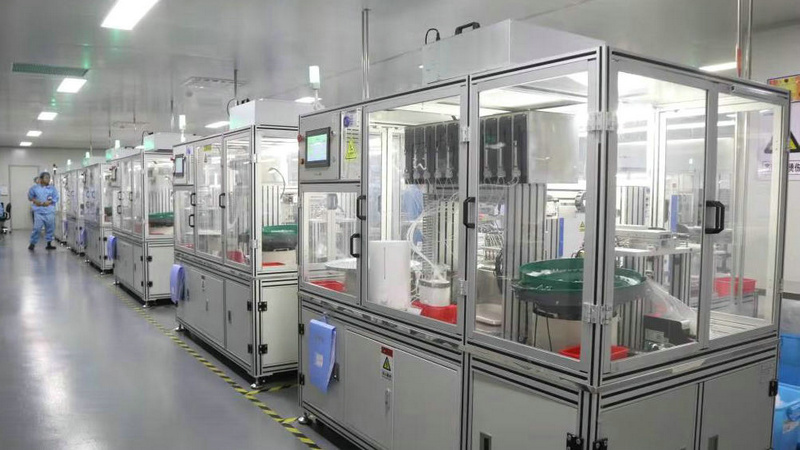
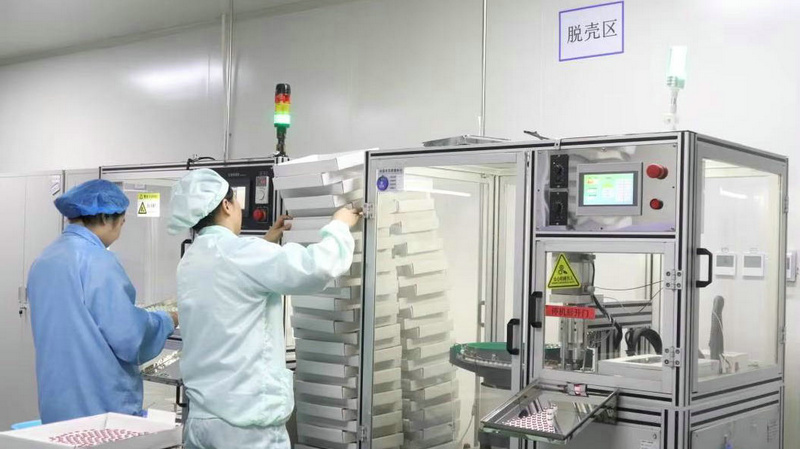
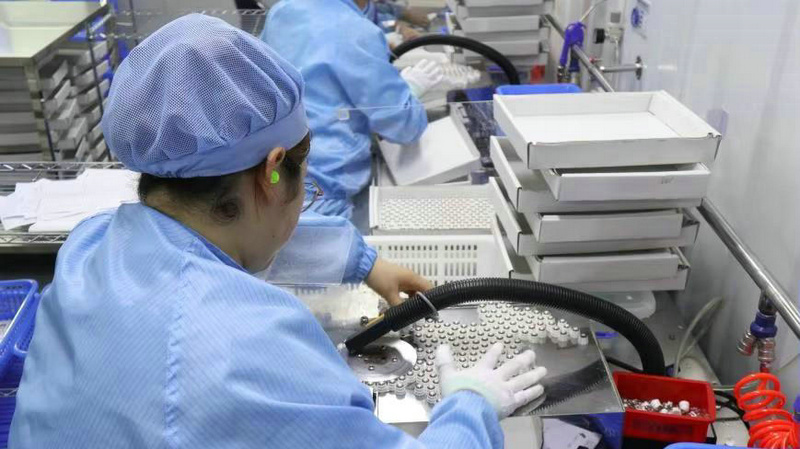
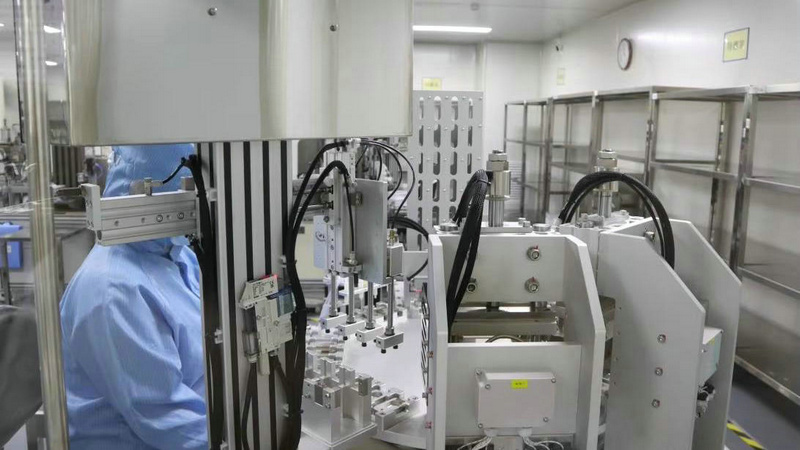
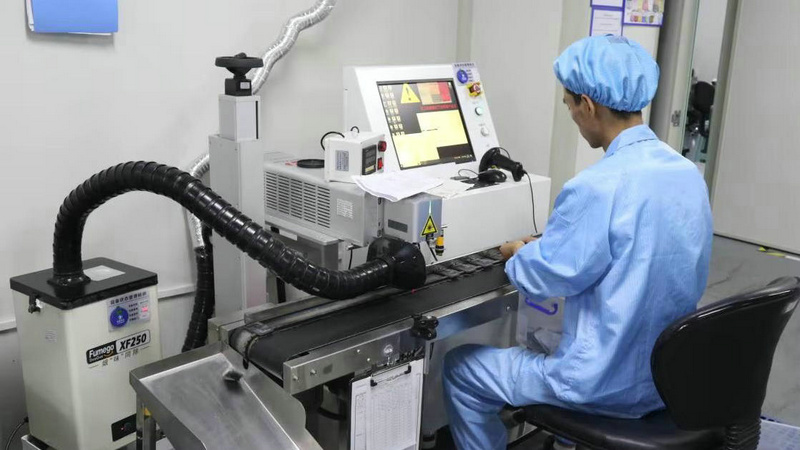
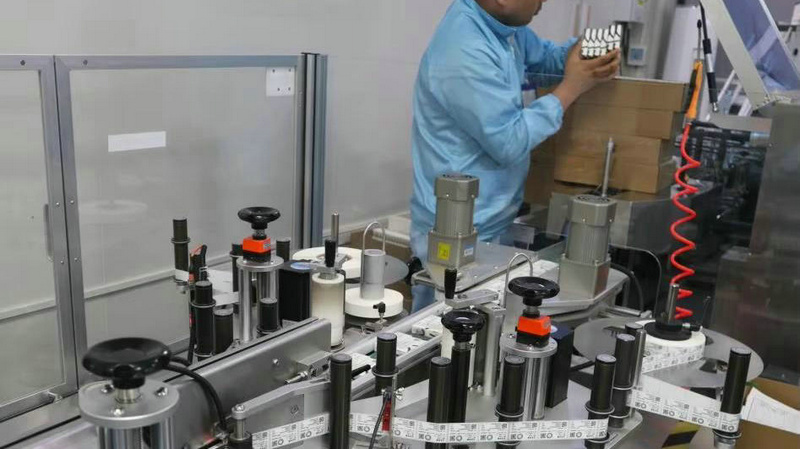
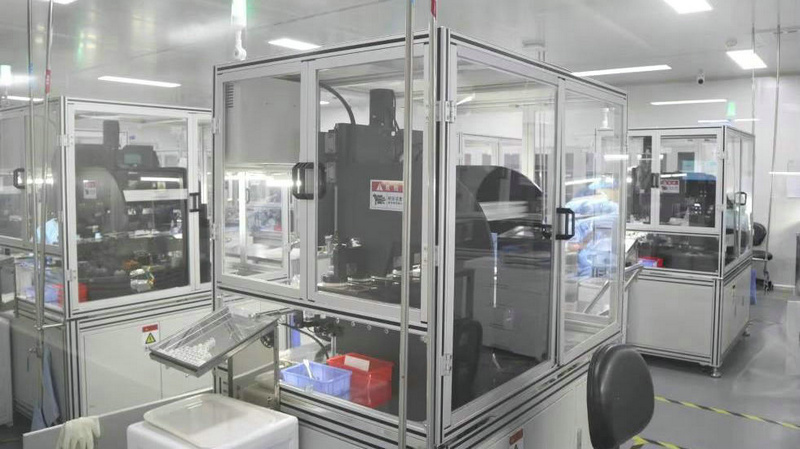
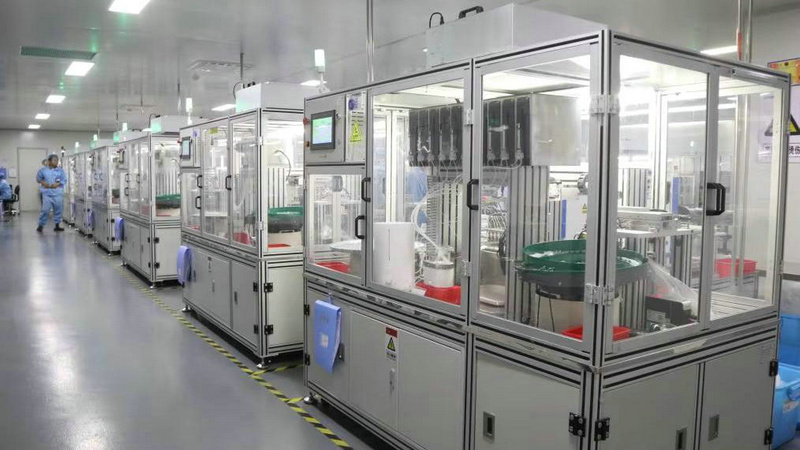
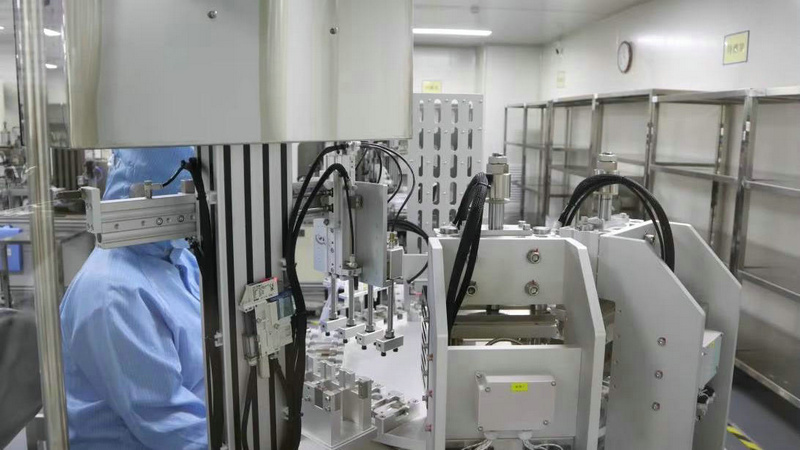
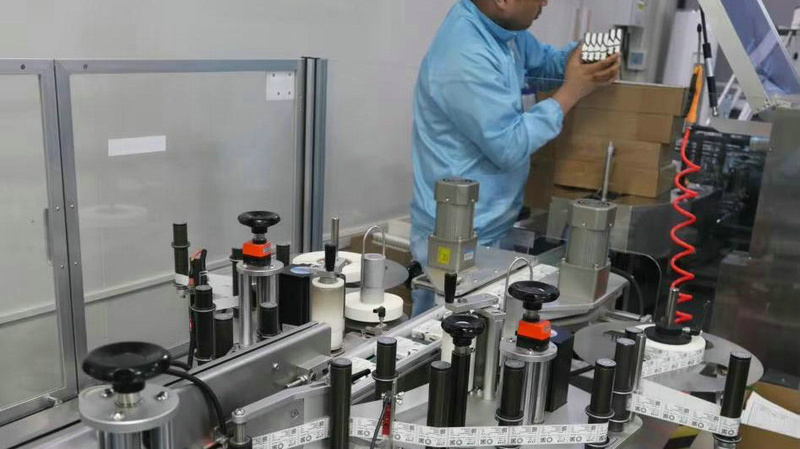
Our facility features multi-lane, fully automated cast-molding lines capable of scaling production up to millions of pieces annually. From daily disposable clears to trend-forward monthly colored lenses, our robust manufacturing infrastructure ensures stable lead times, hyper-competitive cost structures, and uncompromised batch-to-batch consistency. Partner with a true Chinese manufacturing powerhouse to maximize your market margins.
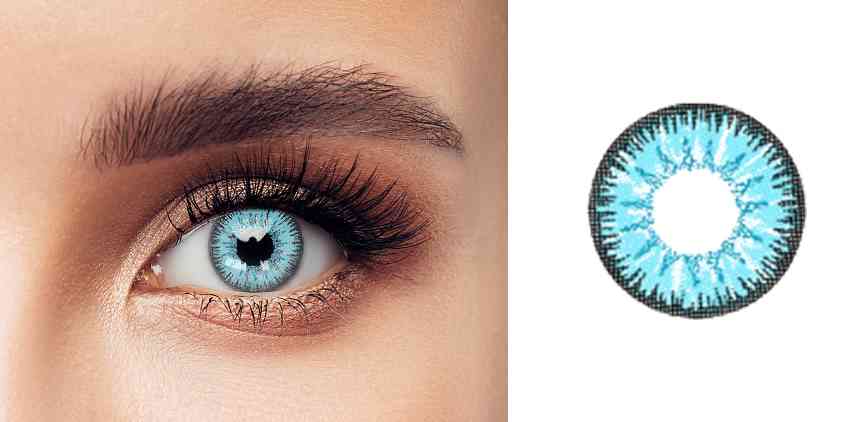
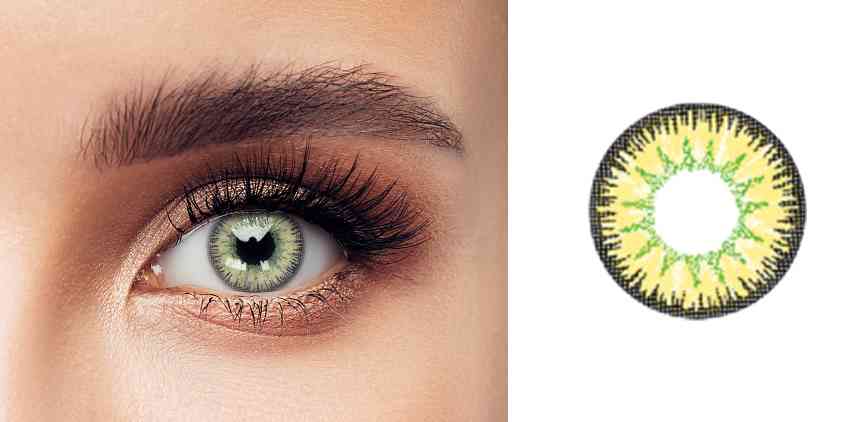
Industrial Guide to Enlarging Contact Lenses: Material Science, Production, & Compliance
An authoritative breakdown of mechanical properties, polymer formulations, optical safety, and global supply configurations for cosmetic contact lens manufacturers.
1. The Physics of "Enlarging" Optics: Pupil Dynamics and Limbal Accentuation
Enlarging contact lenses, colloquially defined as circle lenses, do not physically change the anatomy of the eye. Instead, they rely on complex optical illusions designed via micro-pattern printing. By utilizing a high-contrast outer ring—referred to in optical physics as the Limbal Ring—manufacturers create a distinct boundary between the iris and the sclera. This graphic border is wider than the natural human iris (which typically averages 11.5mm to 12.0mm in diameter). Enlarging lenses expand this graphic diameter up to 14.5mm or even 15.0mm.
However, scaling the limbal ring diameter introduces significant physical design challenges. As the colored and opaque portions of the lens extend outward, the optical zone (the transparent center of the lens through which the wearer views their environment) must remain precisely aligned with the physiological pupil. If the optical zone is too narrow, the wearer experiences tunnel vision or peripheral clouding under dim light conditions when the pupil naturally dilates. In our manufacturing lines in Shenzhen Blinkylens, we leverage dynamic optical zone sizing, ranging from 5.5mm to 6.2mm, accommodating variable light levels without sacrificing the enlargement effect.
2. Advanced Material Formulations: Balancing Dk/t and Water Content
Modern manufacturing of cosmetic contact lenses demands a delicate equilibrium between hydrogel structures and oxygen transmissibility (). Traditionally, cosmetic lenses utilized HEMA (Hydroxyethylmethacrylate) polymers. While highly stable, durable, and receptive to dye binding, HEMA exhibits a theoretical limit on oxygen permeability, determined strictly by its hydration curve.
To overcome these biological limitations, Blinkylens incorporates advanced copolymer technologies:
- Hydrogel Polymers (HEMA + MAA): 38% to 42% water content. Ideal for high structural stability, preventing dry-eye syndrome in air-conditioned or arid climates by minimizing water evaporation from the lens matrix.
- Silicone Hydrogel (Si-Hy) Compositions: Integrating fluoro-silicone macromolecules into the polymer matrix. This increases the oxygen transmissibility by up to 4 times compared to classic hydrogels, enabling safe daily wear schedules of up to 12 hours.
- Hyaluronic Acid (HA) Infusion: Incorporating locking agents directly into the hydration solution, creating a hydrophilic barrier that cushions the cornea and diminishes foreign body sensation during prolonged use.
3. Structural Safety: Sandwich Printing Technology & Pigment Entrapment
Ocular safety is the core pillar of E-E-A-T in contact lens design. Direct contact between cosmetic colorants and the corneal endothelium is a primary cause of contact-lens-induced keratitis. A reliable factory must implement a true Sandwich Printing Technology (or Encapsulated Color Layering).
Unlike cheap, sub-standard manufacturers that print pigments directly on the surface of the finished lens, our certified automated system embeds the dye inside the core matrix. During production, a base clear monomer layer is cast in the mold. Next, the micro-pigment is applied via high-definition pad printing machines. Finally, a protective top layer of clear monomer is cast over the pigment, sealing it completely. This ensures that the ocular tissues remain safe and that the pigments are completely isolated from the eye, ensuring zero risk of chemical leaching.
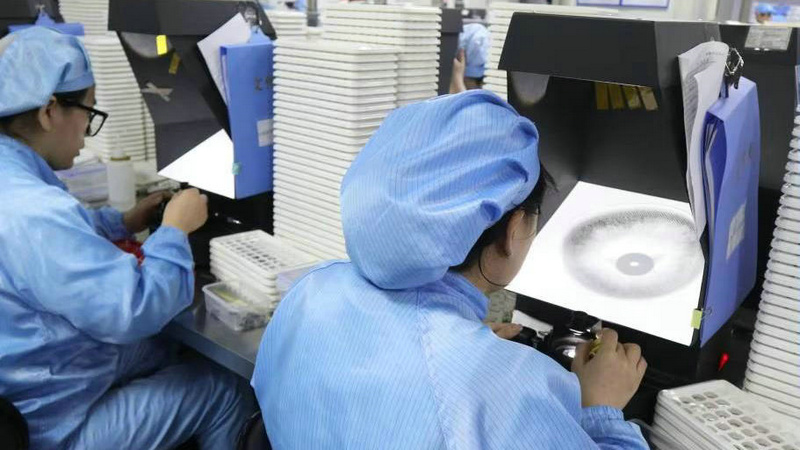
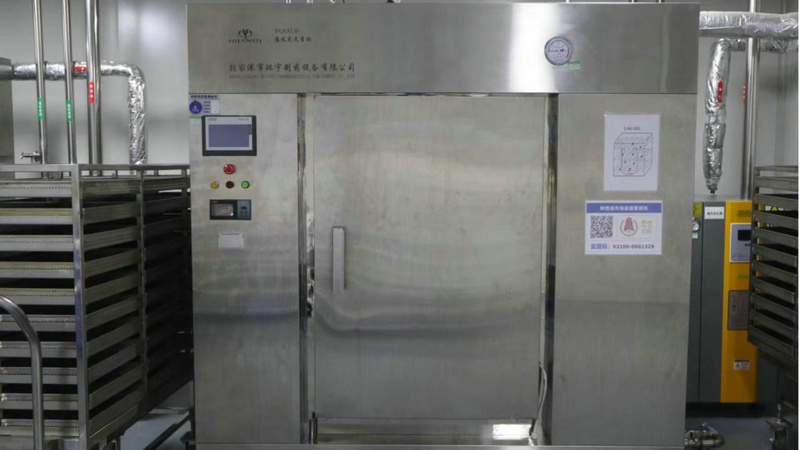
Our 15-Step Automated Cast-Molding Pipeline

4. Global Compliance, CE & FDA Standards: Regulatory Barriers Unveiled
Entering the medical device industry requires traversing strict regulatory boundaries. In both the United States and the European Union, contact lenses are classified as Class II (FDA) or Class IIa (CE MDR) medical devices. As a consequence, manufacturers cannot export cosmetic or corrective lenses without rigorous clinical studies, ISO 13485 quality systems, and complete traceabilities.
Our Dongguan factory maintains a continuous auditing standard. Our clean rooms meet Class 100,000 cleanroom specifications (equivalent to ISO 8 standards). High-temperature steam sterilization systems achieve a Sterility Assurance Level (SAL) of 10-6, which is the global gold standard for invasive medical equipment. Distributors importing from Shenzhen Blinkylens receive full support in obtaining regional import permissions, minimizing customs delays.
5. Customization Options (OEM/ODM): Packaging, Tinting, & private label
For B2B buyers looking to launch or expand their contact lens brand, customization flexibility is paramount:
- Graphic Design Customization: Work with our on-site optical artists to create bespoke 1-tone, 2-tone, and 3-tone colorations tailored for specific ethnic groups or local fashion trends.
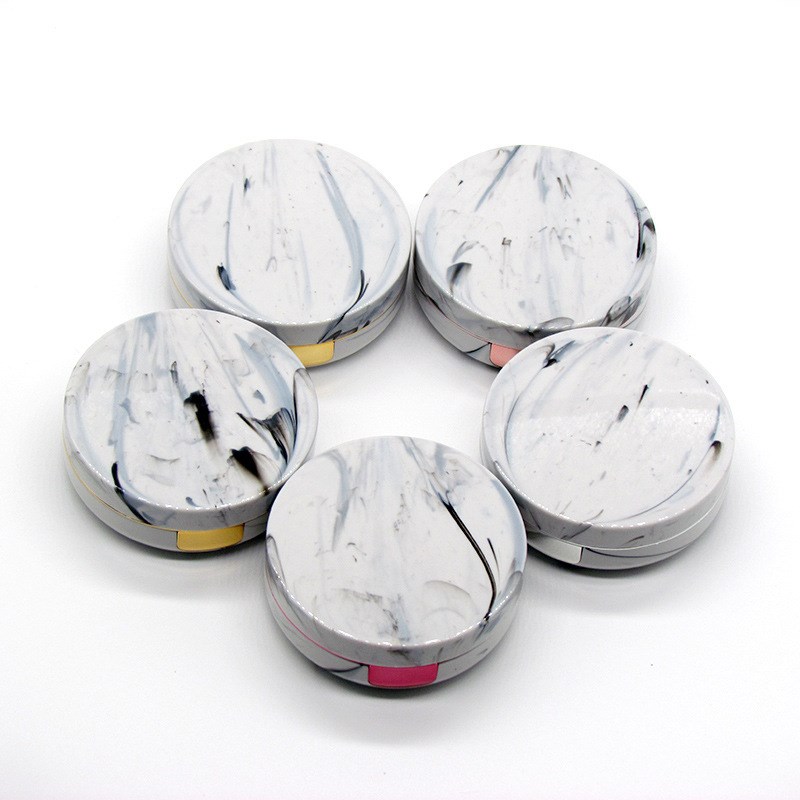
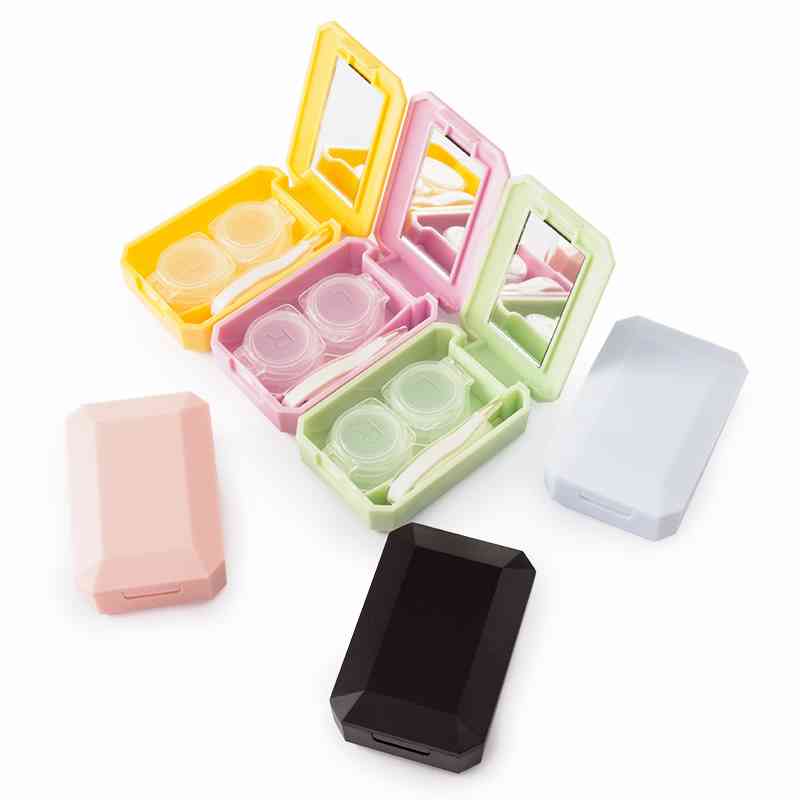
- Packaging Customization: Complete design assistance for custom paper boxes, blister packs, glass vials, and premium storage kits, complete with local barcode registrations.
- Prescription Range Capabilities: Direct factory calibration from Plano (0.00) down to -10.00 diopters, with increments of 0.25D or 0.50D.
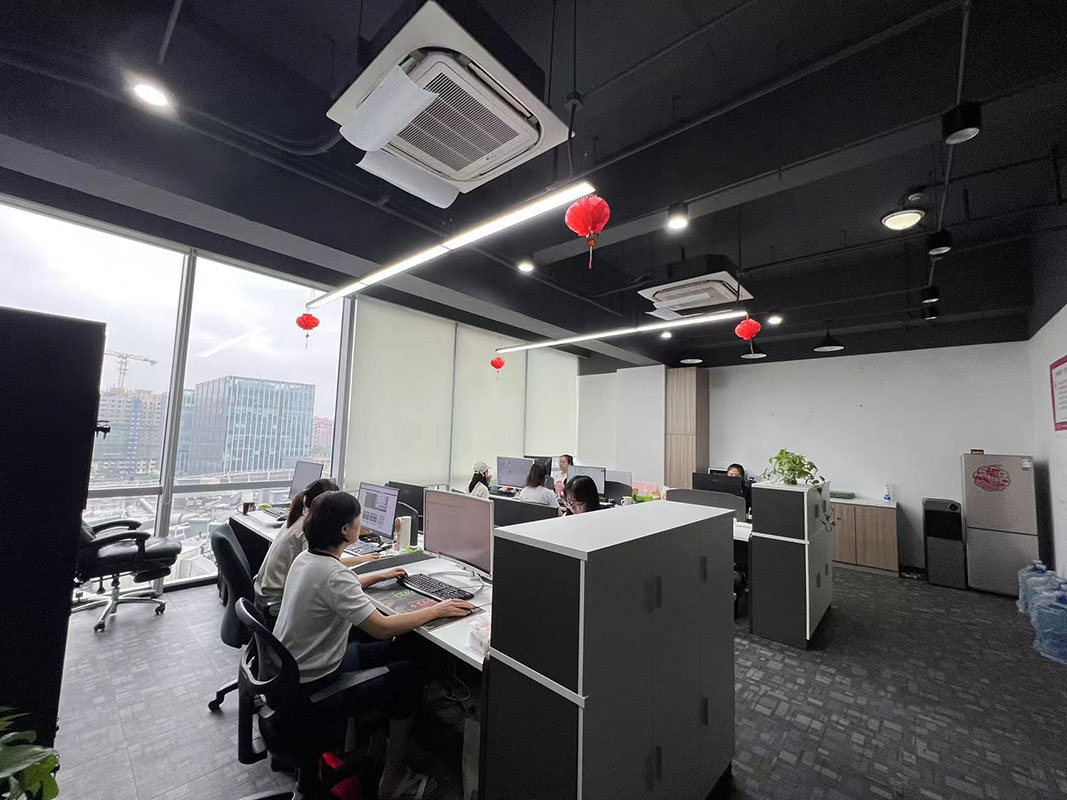
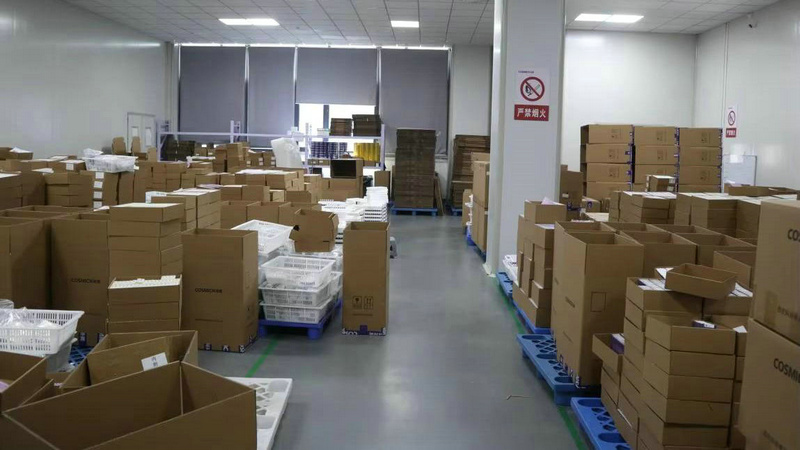
Facility Inspection & QA Systems
Frequently Asked Questions for B2B Importers
Key operational insights to streamline procurement from Chinese contact lens factories.
Wholesale Cosmetic Lens Catalog (Continued)
Select from our verified line of cosmetic contacts, complete with OEM box customization options.