🛍 Premium Catalog - Tier 1 Manufacturing
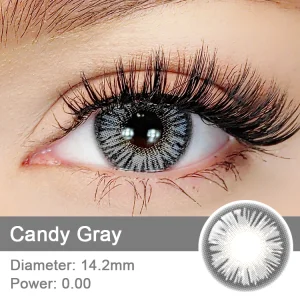
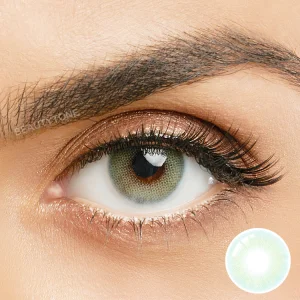
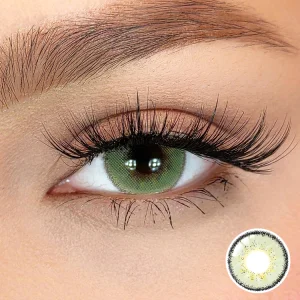
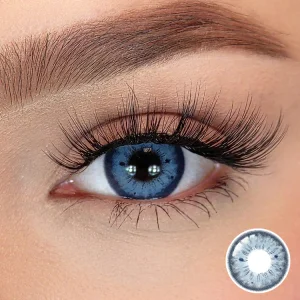
📊 Executive Summary: The Era of Bio-Mimetic Realism
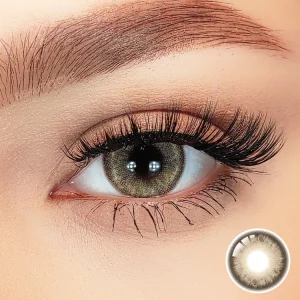
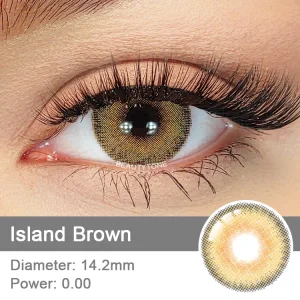
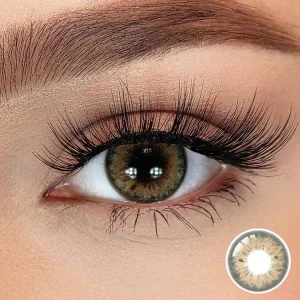
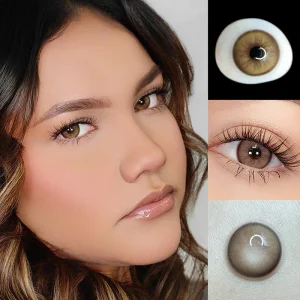
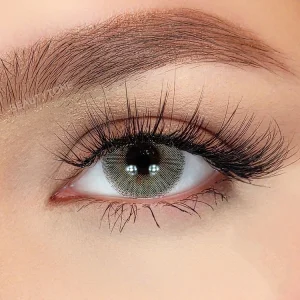
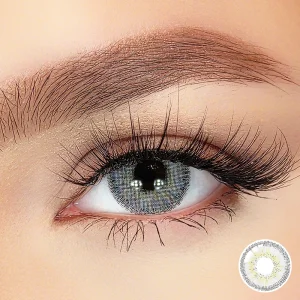
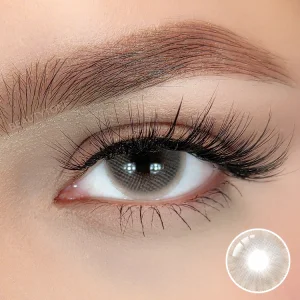
In the rapidly evolving landscape of ophthalmics and cosmetic aesthetics, the term "Hyper Realistic" has moved from a marketing buzzword to a technical standard. As a premier source-factory, Shenzhen Blinkylens Technology CO.,LTD, based in the manufacturing hub of Dongguan, China, is at the forefront of this revolution. The global market is no longer satisfied with simple color shifts; today's B2B buyers and end-consumers demand "iris-depth mimicry" and "seamless limbal integration."
💎 Direct from Factory | Scalable Manufacturing
We specialize in high-volume, B2B contact lens production. By eliminating intermediaries, we provide global distributors, optical chains, and bulk buyers with direct factory wholesale pricing. Our facility features multi-lane, fully automated cast-molding lines capable of scaling production up to millions of pieces annually.
🚀 Global Industry Development Trends
🎨 High-Definition Iris Printing
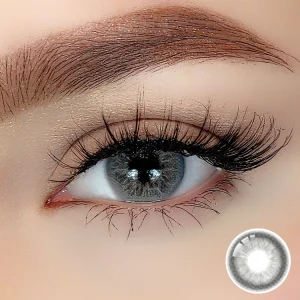
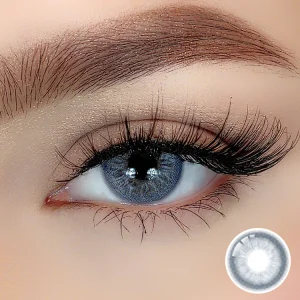
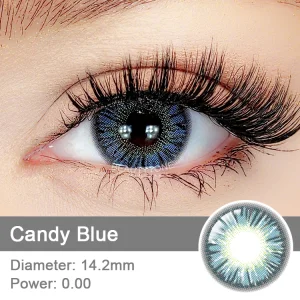
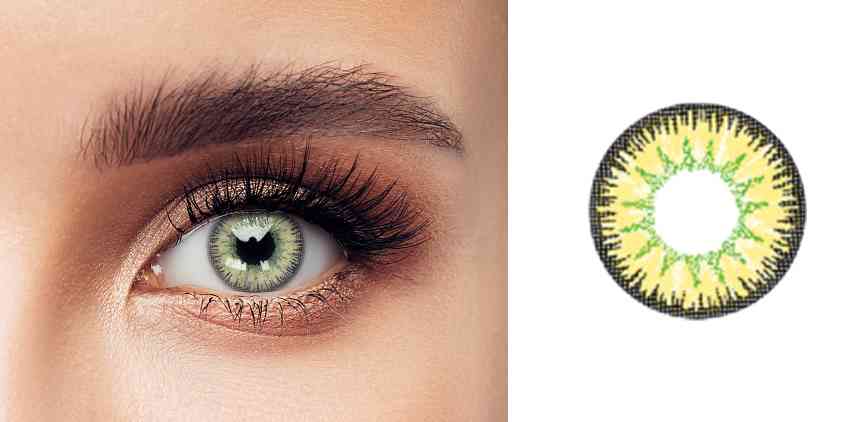
Traditional 2-tone and 3-tone printing is being replaced by 5-axis nano-printing technology. This allows for hyper-realistic textures that simulate the natural human iris stroma, offering a depth that is indistinguishable from real eyes even at close range.
🌊 Silicone Hydrogel Dominance
The industry shift towards high oxygen permeability (Dk/t) is undeniable. Modern hyper-realistic lenses now incorporate silicone hydrogel materials to ensure ocular health for long-wear cycles, catering to the growing "all-day wear" consumer segment.
🔍 Eco-Friendly Packaging
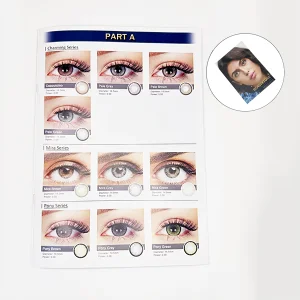
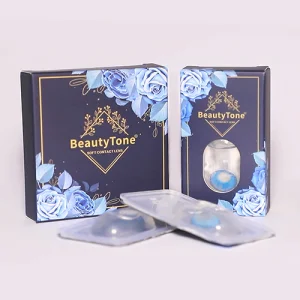
Global procurement standards are increasingly focusing on sustainability. Factories in China are now adopting biodegradable blister packs and recycled paper catalog materials (as seen in our specialized printing services).
🏭 State-of-the-Art Manufacturing Roadmap
From raw material synthesis to finished product sterilization, our process is a closed-loop automated system.
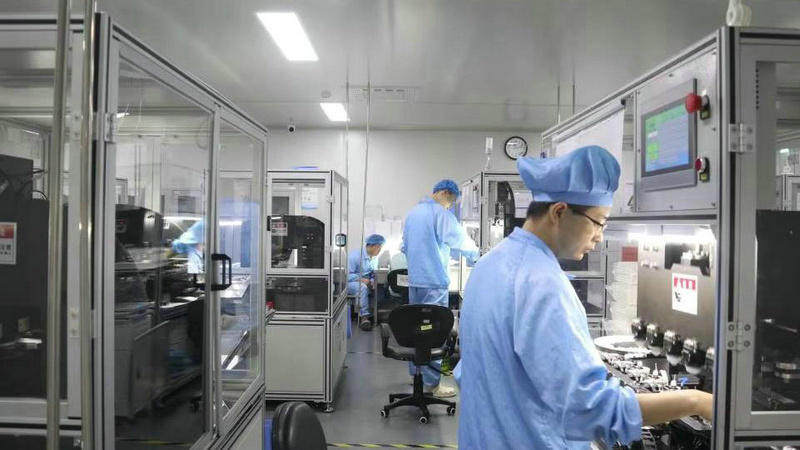
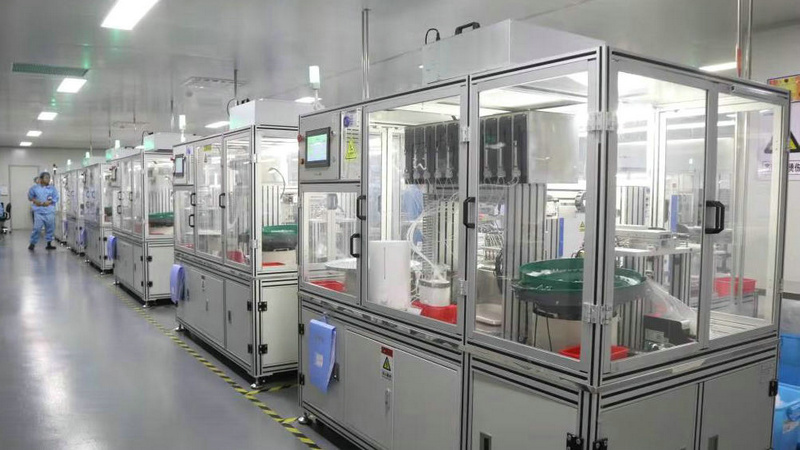
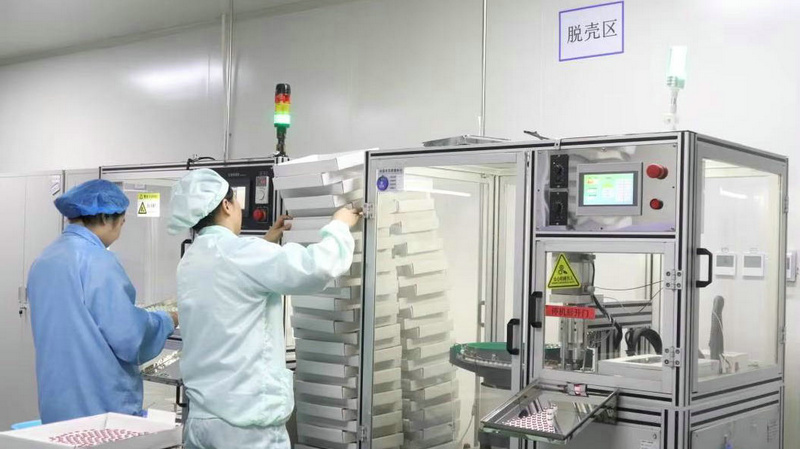
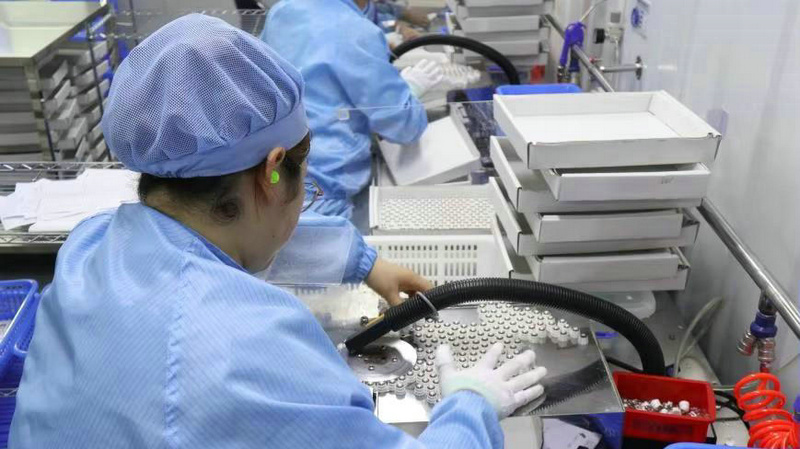
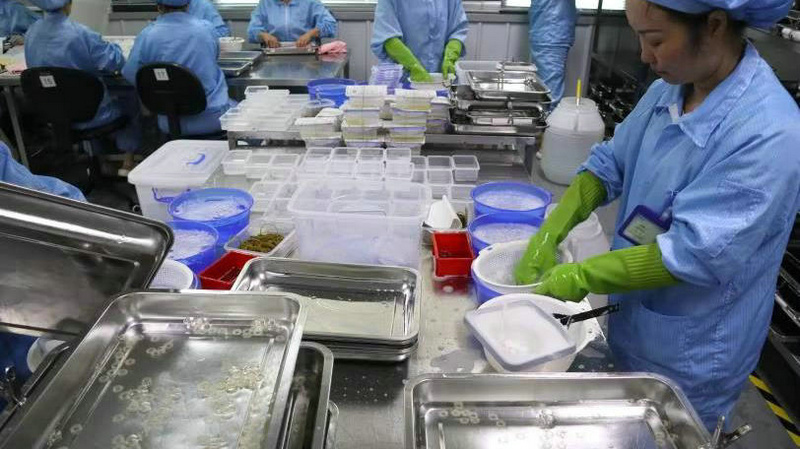
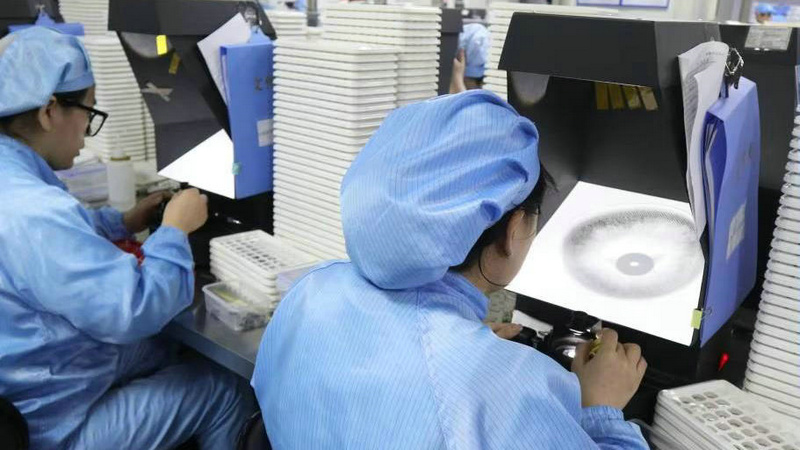
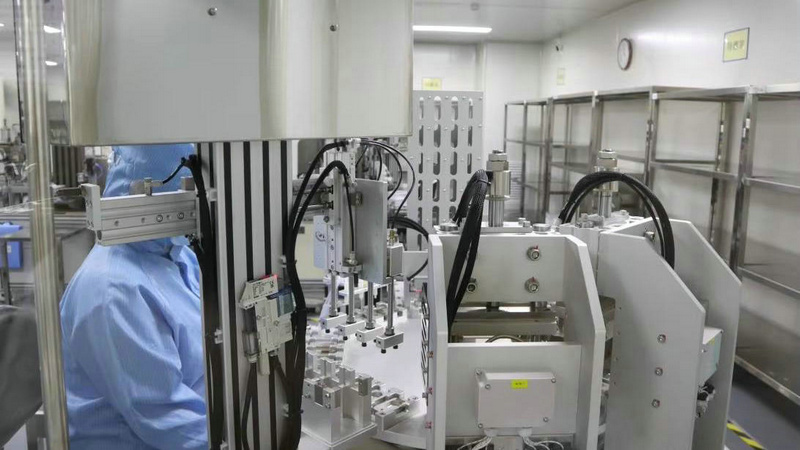
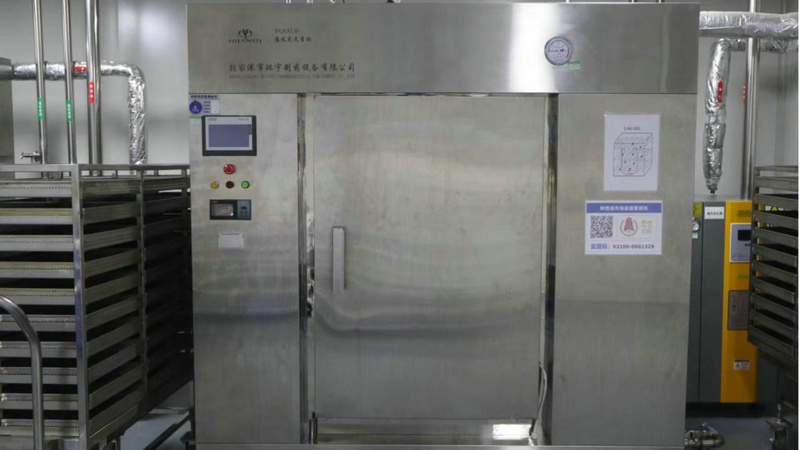
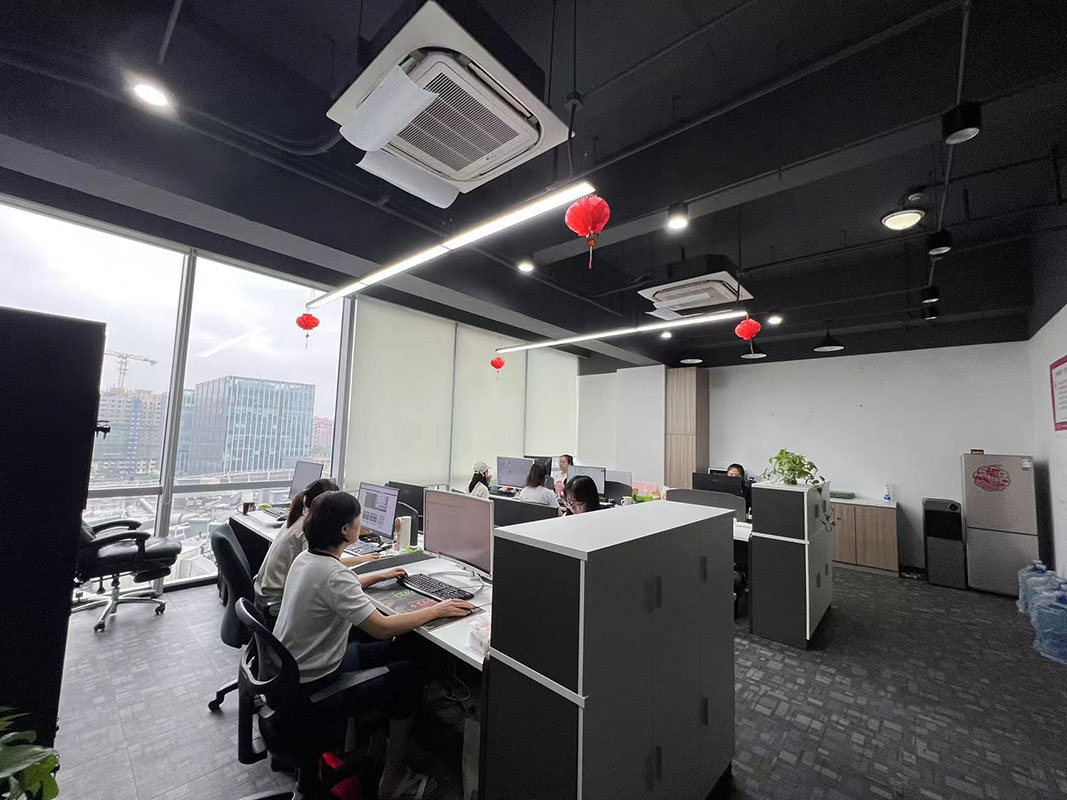
Advanced Cast-Molding Infrastructure at Blinkylens Dongguan Facility
🛡 Compliance & Macro Solutions
Local Support and Global Compliance (E-E-A-T)
Navigating the regulatory landscape is the biggest challenge for international exporters. Our factory provides comprehensive support for:
- CE & ISO 13485 Certification: Ensuring all products meet EU medical device standards.
- FDA Registration Support: Assisting US partners with necessary technical documentation.
- Localization: Multi-language packaging and custom "Hyper-Realistic" branding for regional markets.
- Scalability: Flexible MOQs for startups and massive capacity for retail giants.
🔮 Technical Roadmap & Future Outlook
AI-Driven Iris Design
We are integrating generative AI to create unique iris patterns that never repeat, providing a truly bespoke experience for luxury consumers.
Photochromic Lenses
Research is underway for hyper-realistic lenses that darken under UV light, combining cosmetic beauty with functional solar protection.
Smart Lens Integration
The 2025-2030 roadmap includes biosensor integration for health monitoring, making lenses a tool for both beauty and wellness.