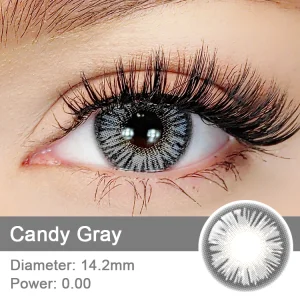
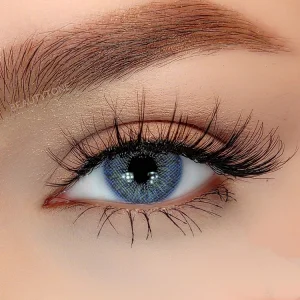
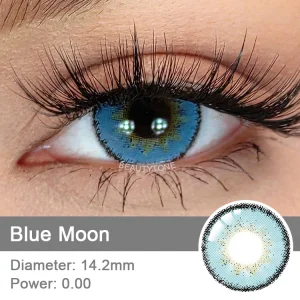
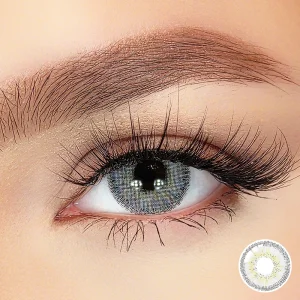
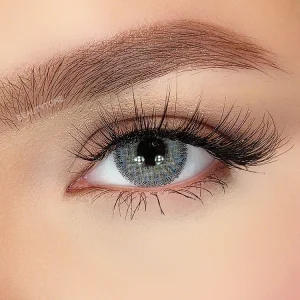
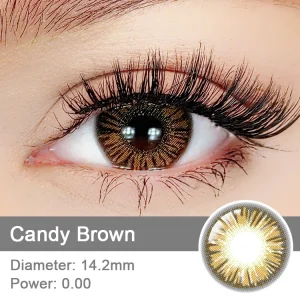
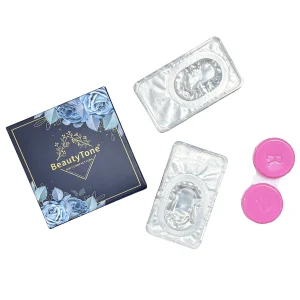
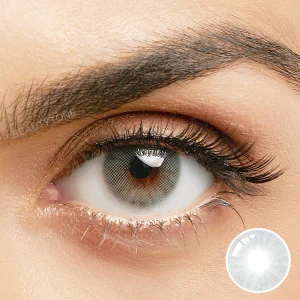
Premium Cosmetic Contact Lens Selection (Batch A)
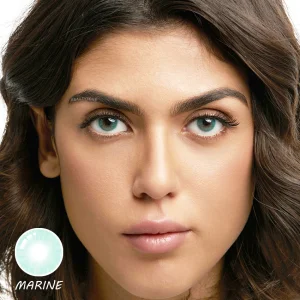
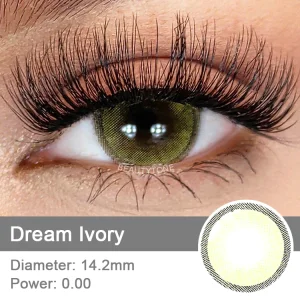
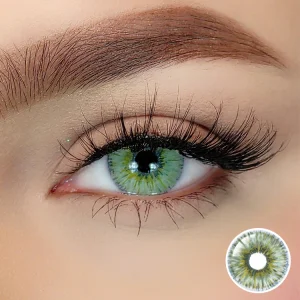
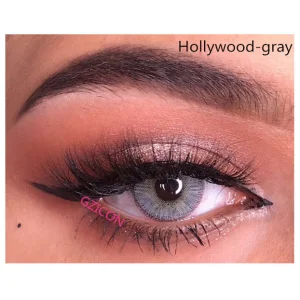
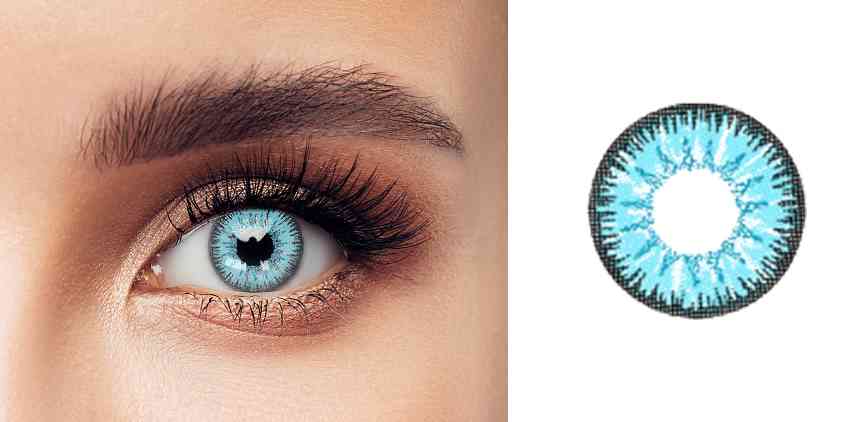
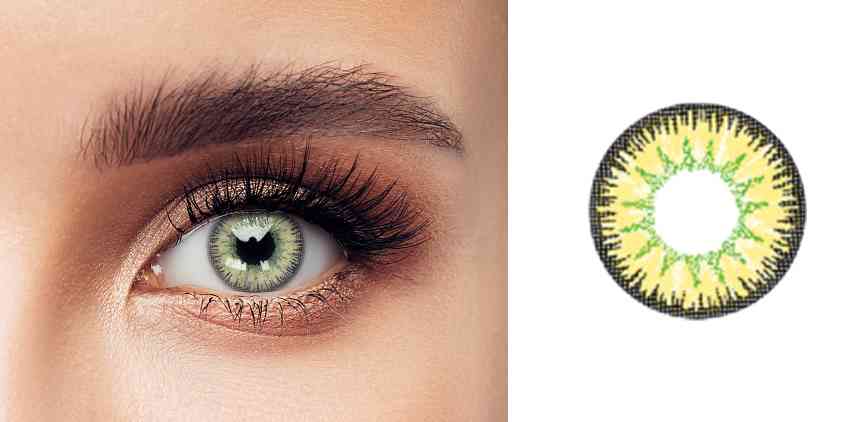
Explore our premium selection of certified color and cosmetic contact lenses designed for comfort, high pigment retention, and safe theatrical expression.
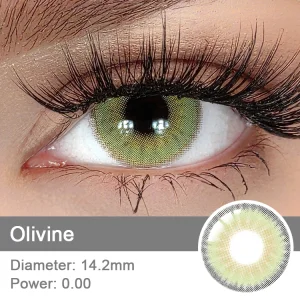
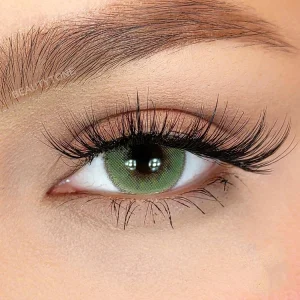
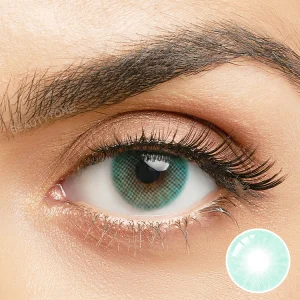
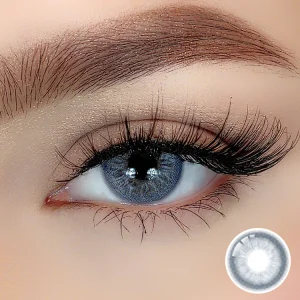
Global Industry Analysis: The Evolution of Festival & Cosmetic Contact Lenses
From theatrical visual special effects to mass consumer celebratory wear, the market landscape is defined by stringent regulatory dynamics, material science advancements, and high-frequency demand cycles.
Rigid Compliance & Safety Standards
Cosmetic contact lenses (including plain or non-prescription lenses) are categorized as Class II or Class III Medical Devices internationally. B2B exporters must meet strict ISO 13485 regulations, US FDA 510(k), and CE MDR requirements to protect end-user safety.
Polymer Science & Gas Permeability
Modern festival contact lenses utilize advanced Hydrogel materials (HEMA-Polymacon) and increasingly Silicone Hydrogels. The balance of high water content and high oxygen transmissibility (Dk/t) prevents corneal hypoxia during extended event wear.
Sandwich Color Locking Tech
High-quality suppliers incorporate sandwich encapsulation technology. This ensures the raw pigments are completely sealed inside the lens matrix, preventing direct contact with the ocular surface while preserving vivid pattern reproduction.
Direct from Factory | Scalable Contact Lens Manufacturing in China
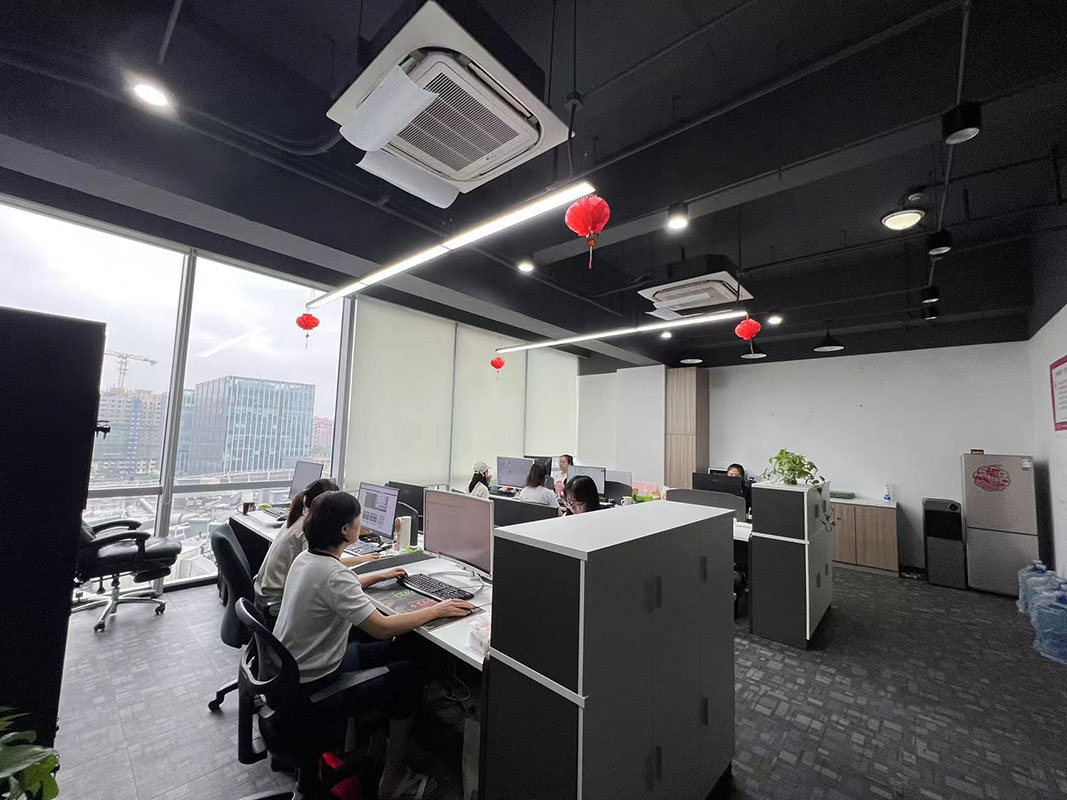
Shenzhen Blinkylens Technology CO.,LTD is a premier, source-factory based in Dongguan, China, specializing in high-volume, B2B contact lens production. By eliminating intermediaries, we provide global distributors, optical chains, and bulk buyers with direct factory wholesale pricing without compromising on product excellence.
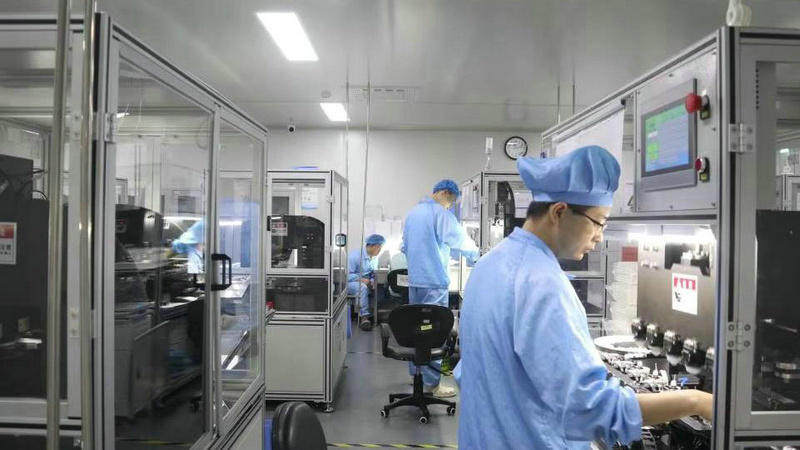
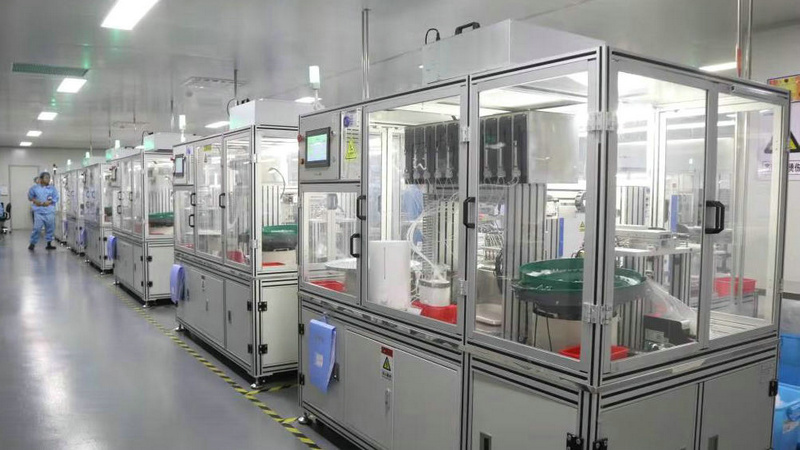
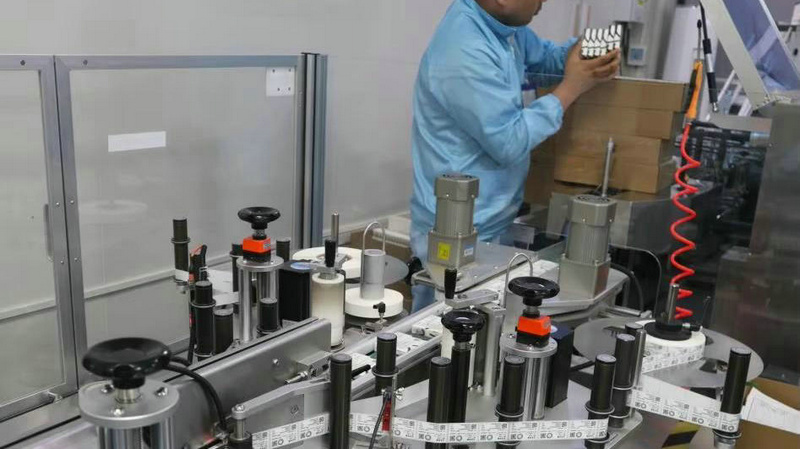
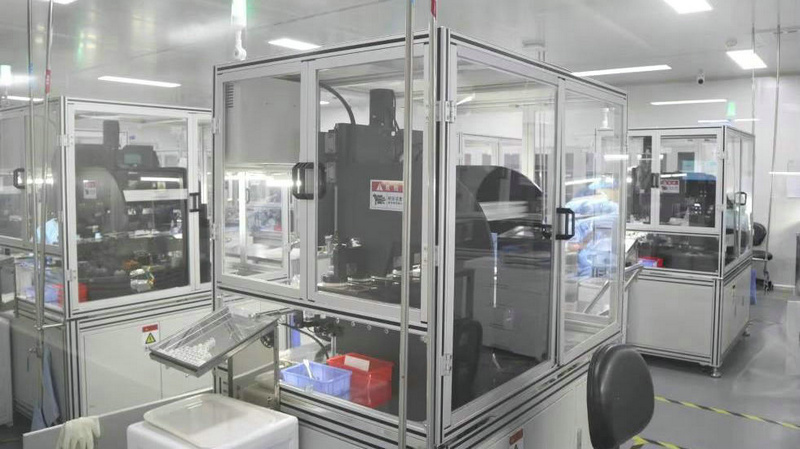
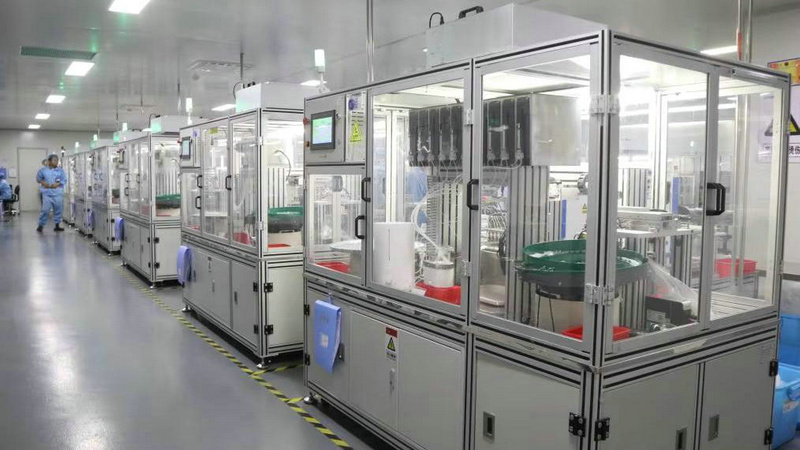
Our facility features multi-lane, fully automated cast-molding lines capable of scaling production up to millions of pieces annually. From daily disposable clears to trend-forward monthly colored lenses, our robust manufacturing infrastructure ensures stable lead times, hyper-competitive cost structures, and uncompromised batch-to-batch consistency. Partner with a true Chinese manufacturing powerhouse to maximize your market margins.
Blinkylens at a Glance: Manufacturing Powerhouse Metrics
Engineered transparency and metric-based reliability for international optical importers, medical supply procurement heads, and consumer brand owners.
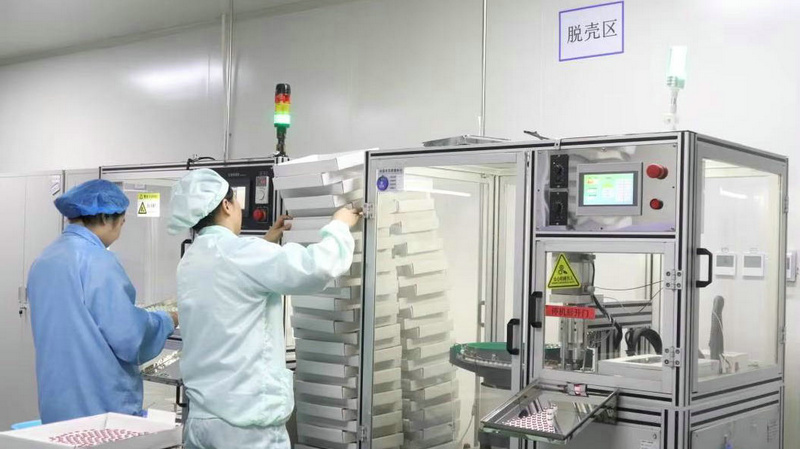
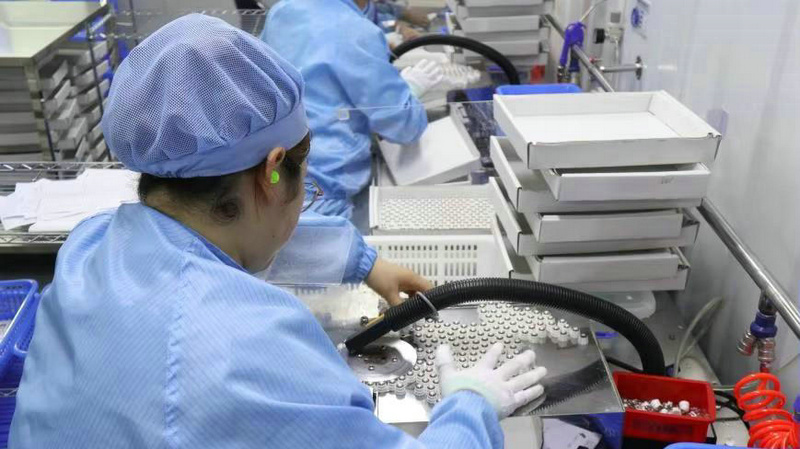
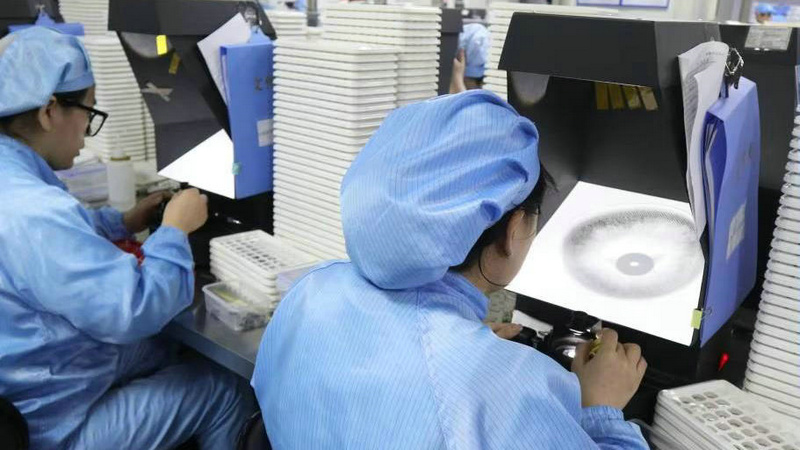
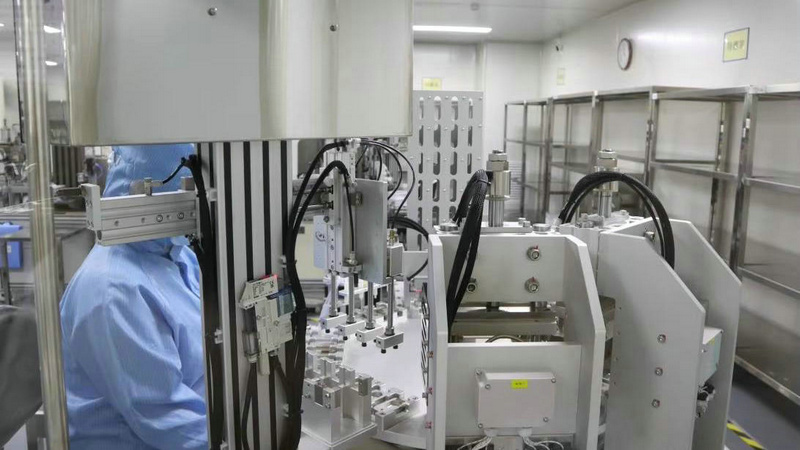
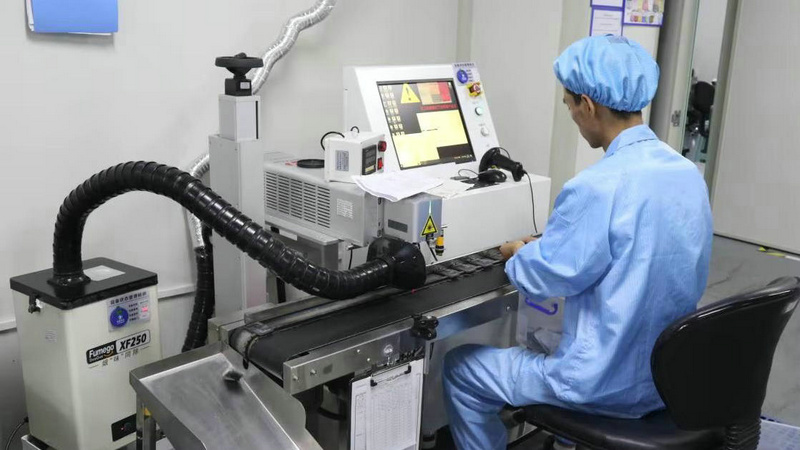
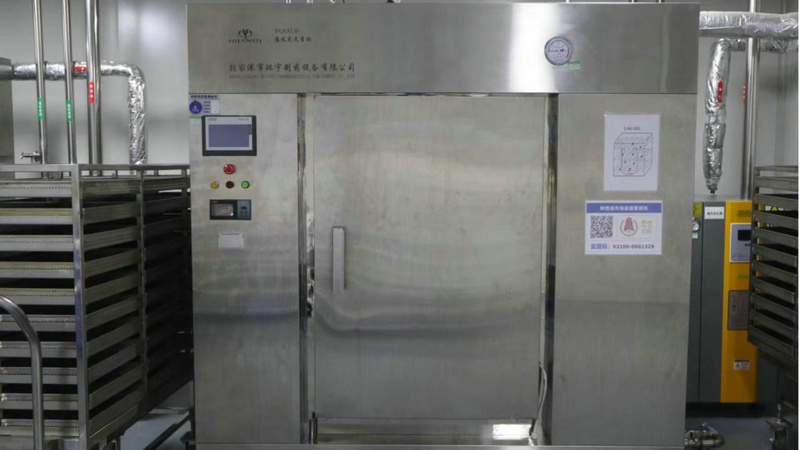
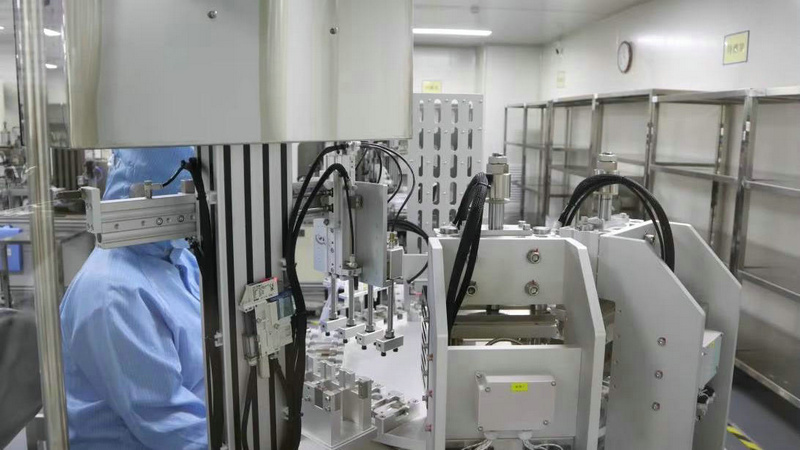
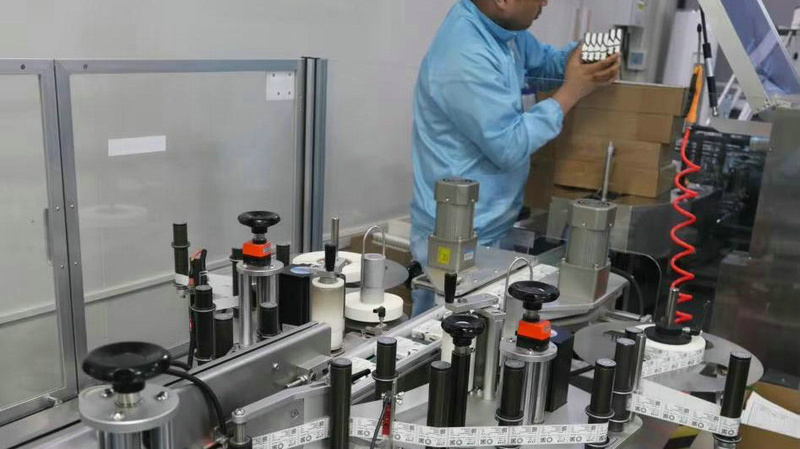
Step-by-Step Advanced Automated Manufacturing Flow
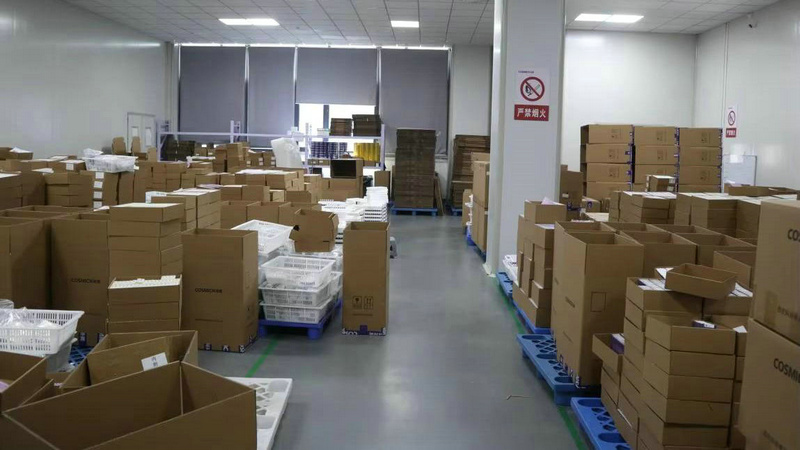
An inside look at our medical-grade cleanroom operations located in Dongguan. Our high-precision cast molding technology ensures safe, comfortable, and consistent eye wear production.

Strategic Procurement Insights: Sourcing Festival Contact Lenses
For large-scale distributors, optical chains, e-commerce brands, and specialty event wholesalers, choosing the right manufacturer is a critical success factor.
Critical Technical Parameters for Quality Sourcing
When reviewing suppliers, procurement teams must evaluate beyond unit prices. Factors like **Oxygen Permeability (Dk/t value)**, **Hydration equilibrium**, and **biocompatibility** dictate user safety. Cheaper, uncertified contact lenses frequently cause corneal scratches, microbial keratitis, or pigment leakage due to improper coating. Direct Chinese manufacturing facilities, such as Blinkylens, operate under ISO 13485 cleanroom parameters, utilizing medical-grade HEMA materials and precise cast-molding steps to keep lenses lightweight, uniform in thickness (typically 0.08mm at the center), and safely encapsulated.
Targeted Global Demands & Application Scenarios
Cosmetic and theatrical contact lenses have transitioned from niche theatrical accessories to mainstream retail commodities. The surge in consumer interest is fueled by localized demands:
- Theatrical & Cosplay Conventions: The rise of anime festivals, Comic-Cons, and gaming tournaments has created a steady, year-round demand for highly specialized pupil colors, cat-eyes, and pattern-based contacts.
- Seasonal Peak Retail: Halloween, Day of the Dead (Dia de los Muertos), and global carnival events generate massive traffic spikes. Distributors must secure production quotas in Q2/Q3 to guarantee timely stock delivery.
- Optical Franchises & Retail Chains: Seeking to diversify standard product offerings, optometry chains are dedicating shelf space to certified, non-prescription beauty contacts to appeal to Gen-Z consumer demographics.
The Industrial Efficiency of China's Optical Supply Chain
China's manufacturing centers, particularly in the Shenzhen and Dongguan technological corridors, offer an integrated supply chain cluster. By combining raw monomer synthesis, automated precision molding machinery, customized sterile packaging options, and logistics hubs within a tight geographic radius, factories can compress standard lead times by 30-40% compared to Western manufacturers. Blinkylens leverages this integration, combining direct material sourcing with automated cast molding to provide cost-efficiency directly to global bulk buyers.
B2B Sourcing FAQ: Festival & Cosmetic Contact Lenses
Detailed expert answers to the most common queries from optical procurement managers, wholesale buyers, and international trade partners.
Premium Cosmetic Contact Lens Selection (Batch B)
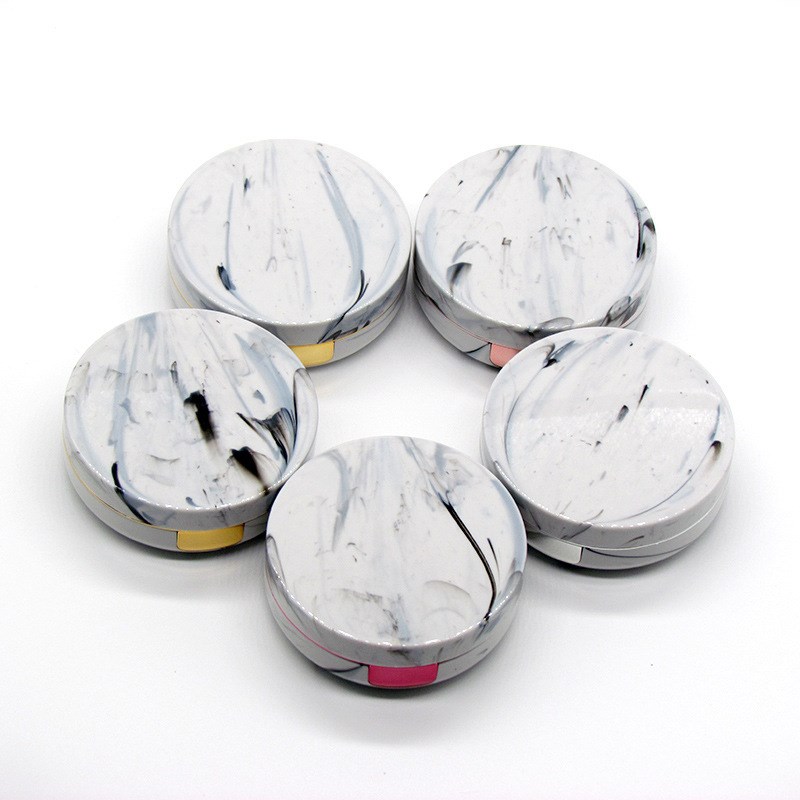
Continue exploring our trend-forward cosmetic catalog, suitable for daily cosmetic wear, artistic makeup, and seasonal thematic events.