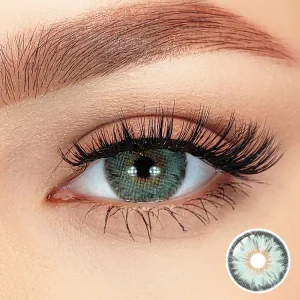
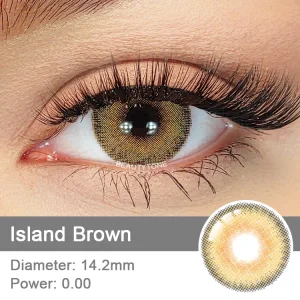
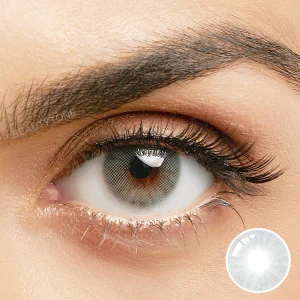
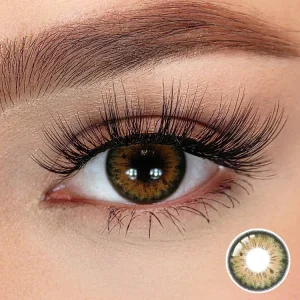
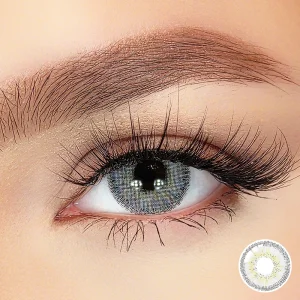
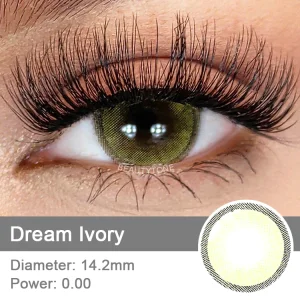
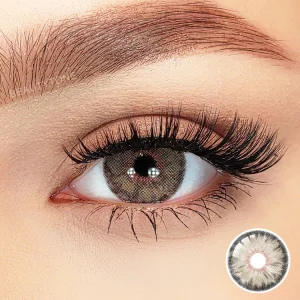
Hot-Selling 14.5mm Contact Lenses for Bangui and Regional Markets

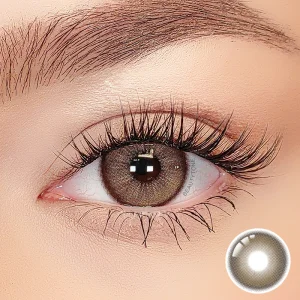
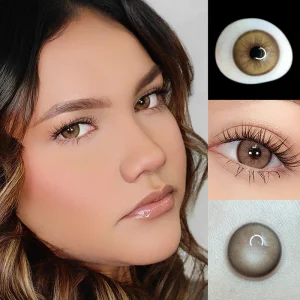
Central African Republic Market Analysis: Optical Retail & Aesthetic Demands
The cosmetic and corrective contact lens sector within sub-Saharan Africa, and specifically in the Central African Republic (CAR), is witnessing a remarkable structural shift. As urbanization accelerates within municipal centers like Bangui, Bimbo, and Mbaïki, a growing demographic of fashion-conscious consumers, digital content creators, and bridal beauty sectors are driving up the demand for high-end aesthetic enhancement products. Color contact lenses, particularly in the 14.5mm graphic diameter range, are emerging as a core cosmetic staple.
Unlike European or North American markets where smaller, subtle diameters (14.0mm to 14.2mm) are common, the Central African beauty landscape highly favors the 14.5mm "enlarging" effect. This specific profile accentuates dark irises with a natural-yet-striking iris limbal ring enhancement. Additionally, environmental conditions in Central Africa—marked by alternating dry, dusty Sahelian winds and high tropical humidity—require contact lens polymers of exceptional stability. Importing low-grade, non-certified contact lenses poses immense corneal health risks. This creates a highly profitable niche for B2B optical importers, distributors, and pharmacy chains in CAR to source premium, internationally certified lenses that guarantee ocular hydration, high oxygen permeability, and structural safety.
SEO Insight & Information Gain: For wholesale buyers targeting the CEMAC (Central African Economic and Monetary Community) region, importing contact lenses requires compliance with strict medical importation metrics. Sourcing directly from certified Chinese manufacturers with ISO 13485 and CE certifications mitigates regulatory barriers at transit ports such as Douala (Cameroon) and during local commerce registration in Bangui.
Global Industrial Context: The Dominance of Chinese Automated Optics Manufacture
At a global tier, the production of contact lenses has migrated from semi-manual lathe cutting to fully integrated, multi-lane automated cast-molding systems. Dongguan and Shenzhen in China stand as the epicenter of this technological leap. Utilizing advanced hydrogel polymers (HEMA/NVP matrices), Chinese manufacturers have managed to lower the unit manufacturing cost while elevating safety metrics beyond industry standards.
By leveraging advanced wet-casting molding technologies, factory-based suppliers can produce hundreds of thousands of daily, monthly, or yearly lenses with micron-level consistency. The core advantage lies in the dual-layer sandwich print technology, where the colored pigments are completely encapsulated between clear lens layers, ensuring that no pigment ever makes direct contact with the wearer's cornea. This is a critical selling point for B2B brands and optical practices in CAR where patient safety and brand loyalty are paramount.
Direct from Factory | Scalable Contact Lens Manufacturing in China
Shenzhen Blinkylens Technology CO.,LTD is a premier, source-factory based in Dongguan, China, specializing in high-volume, B2B contact lens production. By eliminating intermediaries, we provide global distributors, optical chains, and bulk buyers with direct factory wholesale pricing without compromising on product excellence.
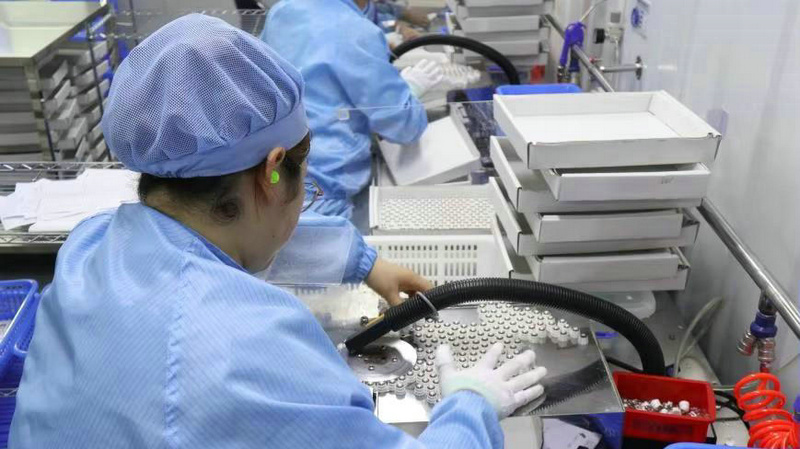
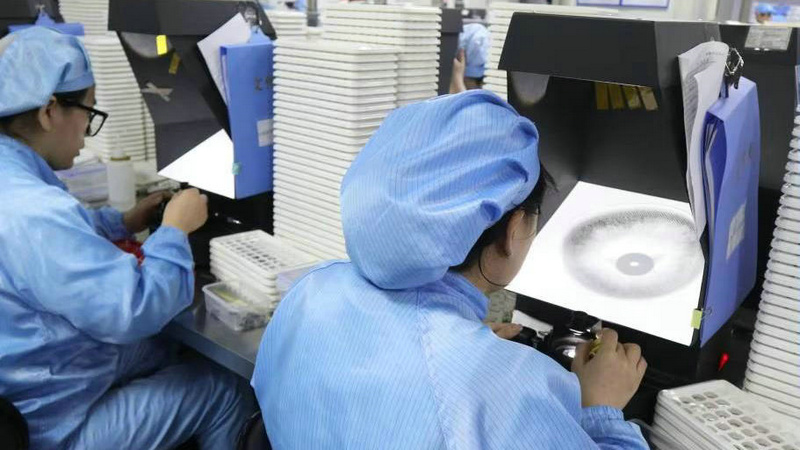
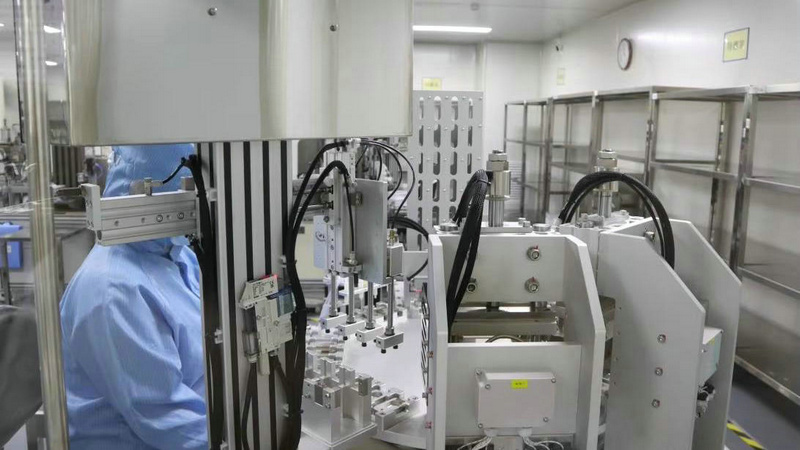
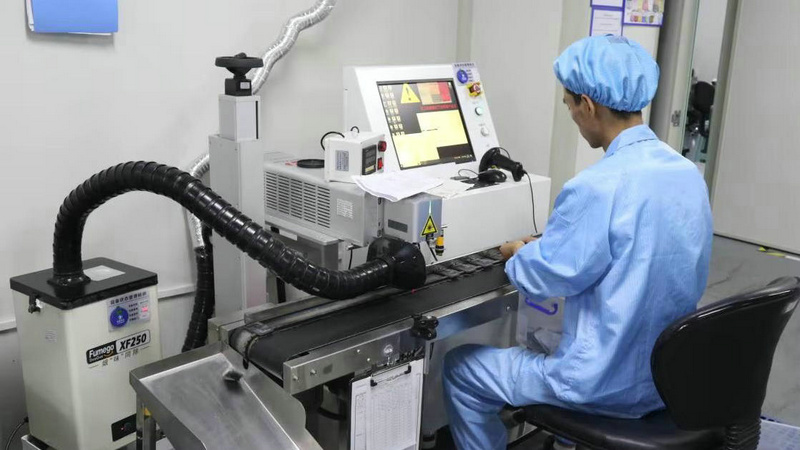
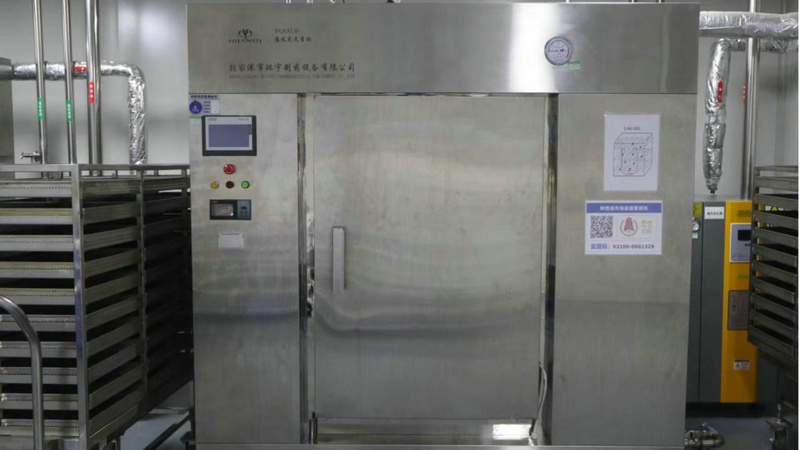
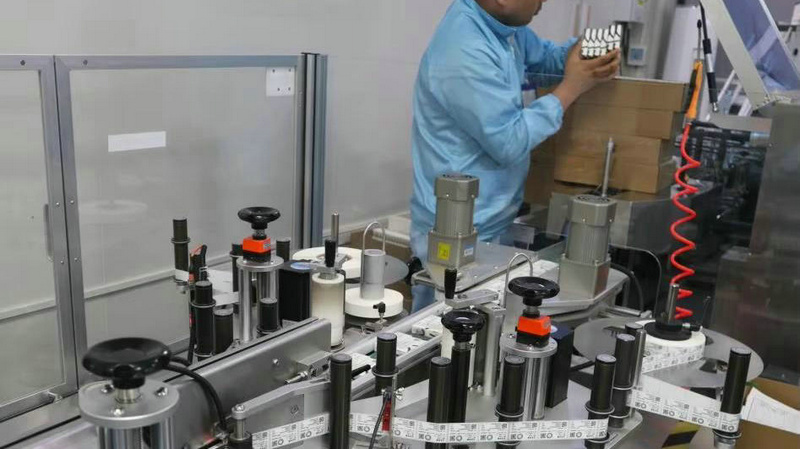
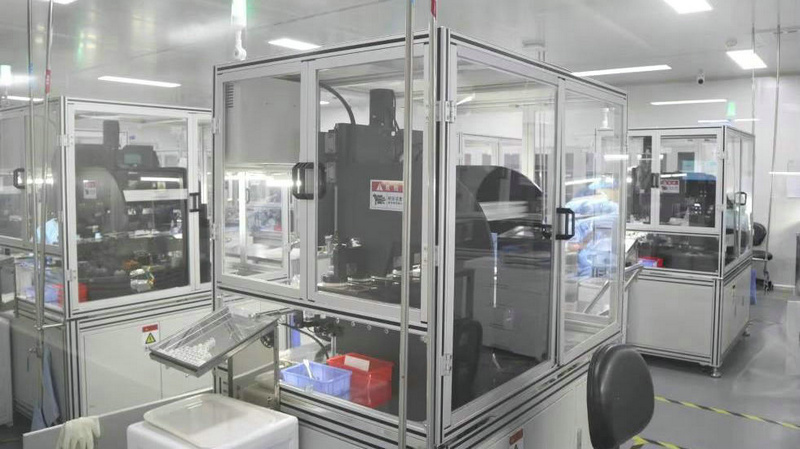
Our facility features multi-lane, fully automated cast-molding lines capable of scaling production up to millions of pieces annually. From daily disposable clears to trend-forward monthly colored lenses, our robust manufacturing infrastructure ensures stable lead times, hyper-competitive cost structures, and uncompromised batch-to-batch consistency. Partner with a true Chinese manufacturing powerhouse to maximize your market margins.
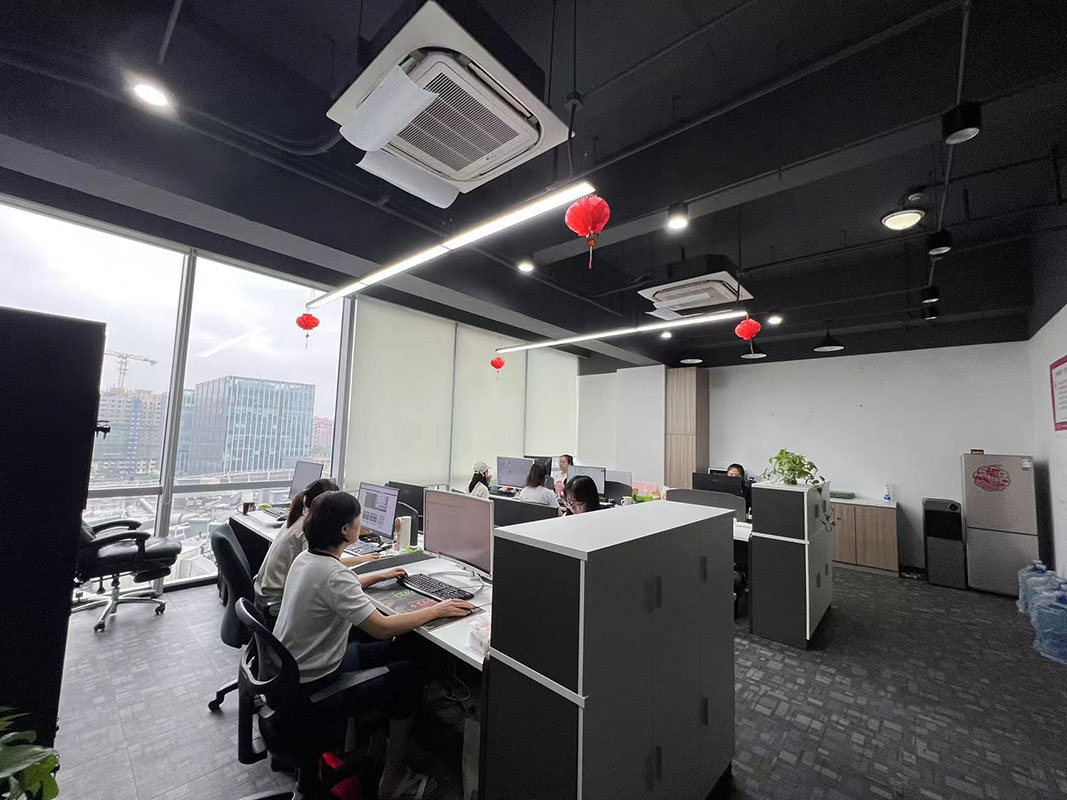


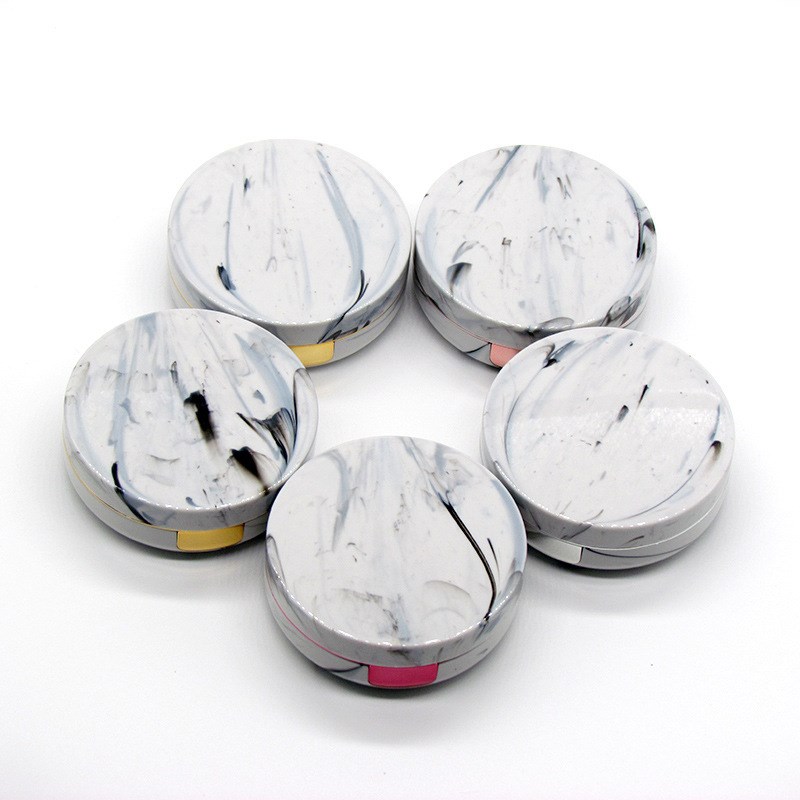
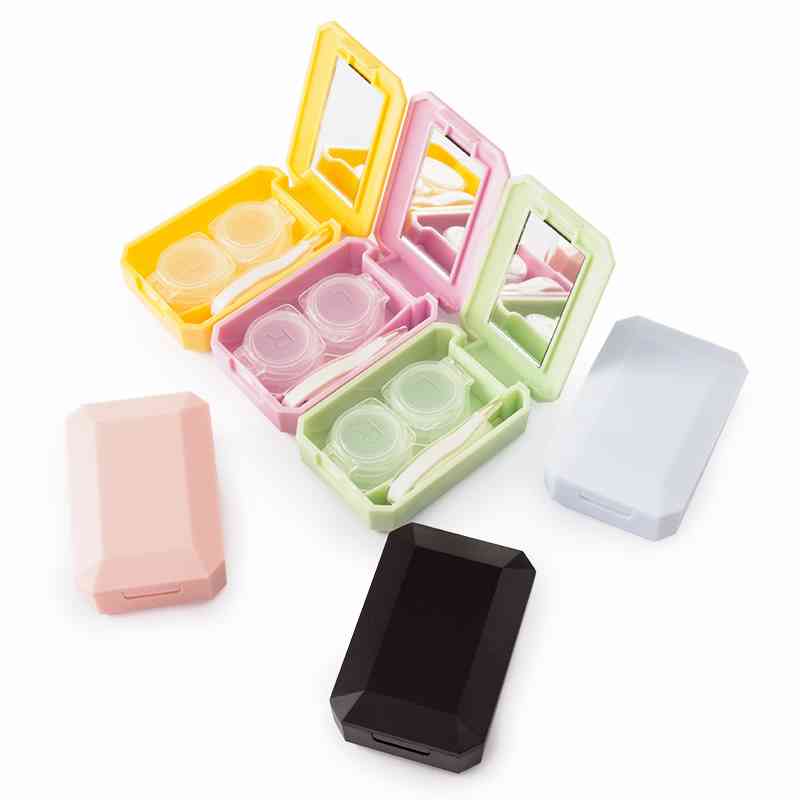
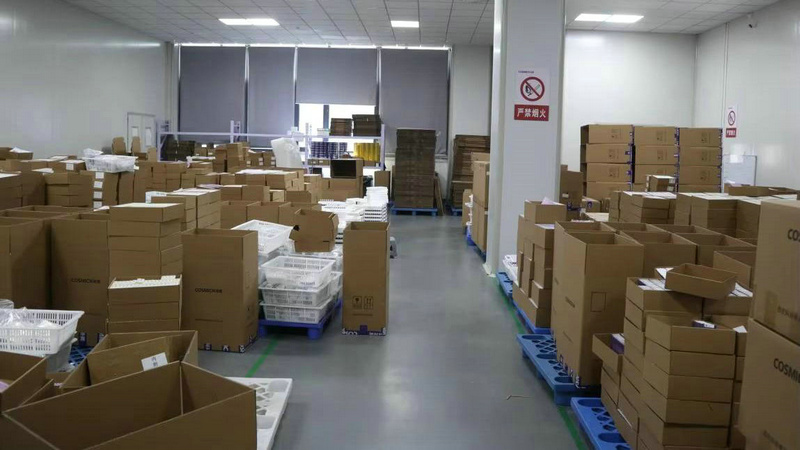
End-to-End Precision Optical Manufacturing Process
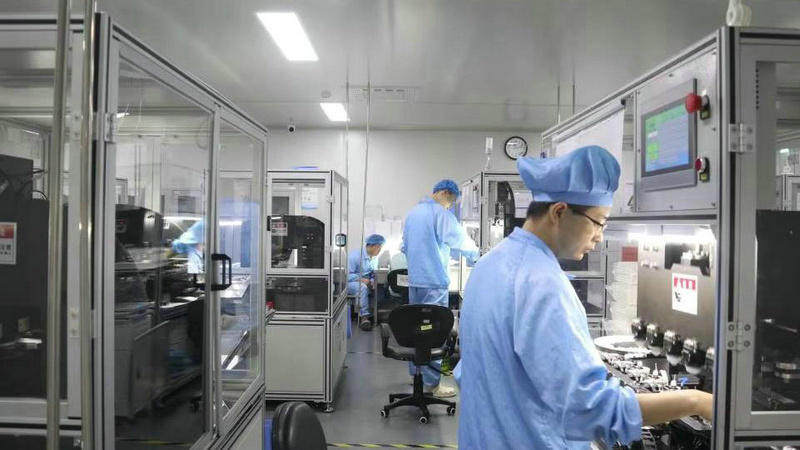
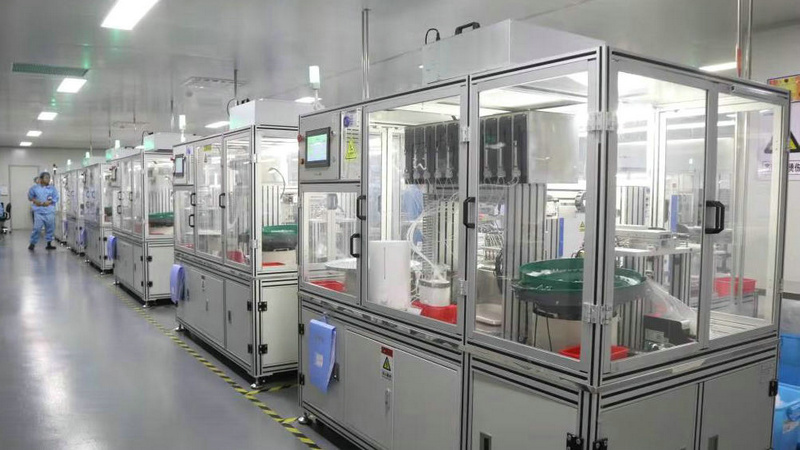
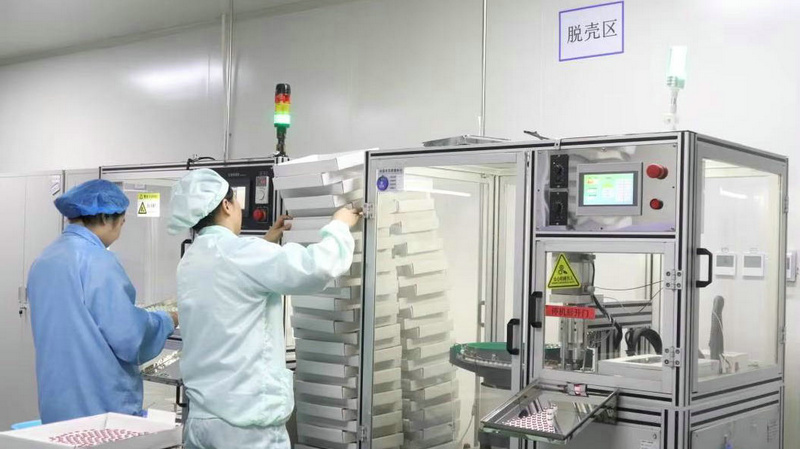

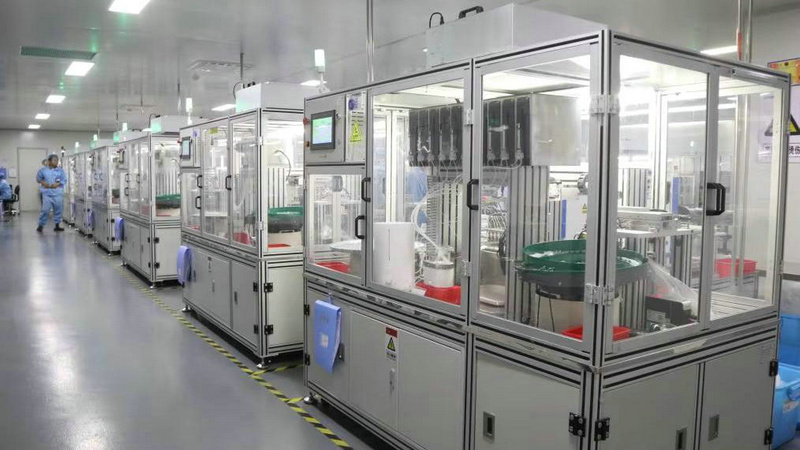
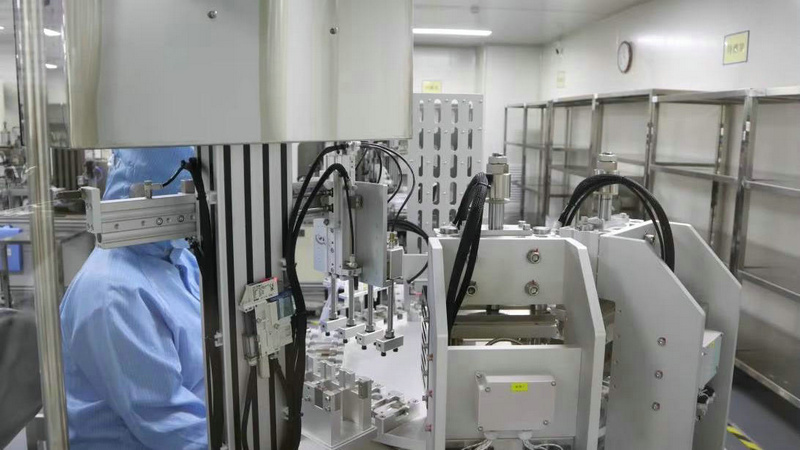
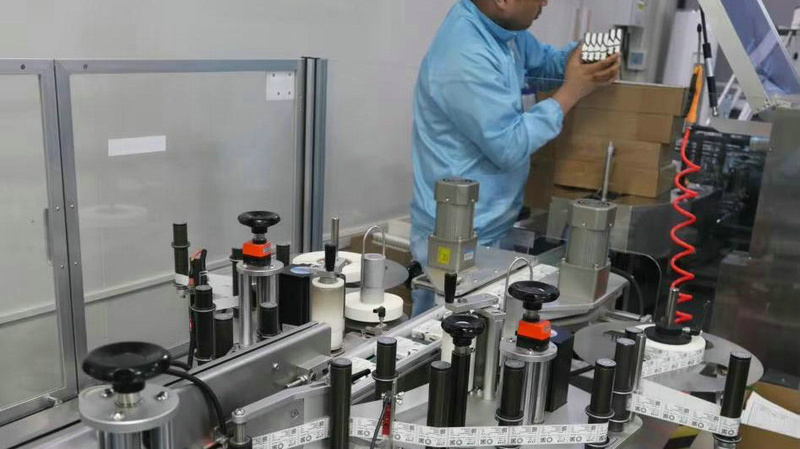
Localizing 14.5mm Lenses for Central African Environmental Resilience
Central Africa experiences microclimates ranging from tropical rainforest wet zones to dry northern savanna bands. In cities like Bangui, windborne dust and pollen particles are key irritants for contact lens wearers. To combat this, Blinkylens utilizes non-ionic hydrogel formulation. By minimizing the static electric charge on the lens surface, our 14.5mm lenses naturally repel proteins, dust particles, and organic lipids. This prevents dry eye syndrome and keeps the wearer comfortable even during the peak dry seasons.
Furthermore, the 14.5mm diameter acts as a physical shield over the cornea while ensuring optimal tear fluid circulation. The edge profile of each lens is micro-lathed to a tapered round finish. This prevents friction against the palpebral conjunctiva, a common cause of giant papillary conjunctivitis (GPC) in dusty geographical landscapes.
B2B OEM Customization & Private Label Branding for Importers
For large-scale cosmetic retailers and pharmaceutical wholesalers in the Central African Republic, establishing a proprietary brand is the highest leverage strategy. Blinkylens offers complete B2B private label (OEM/ODM) services. Importers can select from over 500 proprietary design patterns and customize the secondary packaging (box designs, blister foils, case templates, and user manuals in French or Sango) to align with local market affinity.
Our packaging facilities comply with global health authority labeling standards, printing expiration dates, lot numbers, sterile icons, and regulatory symbols directly onto the blister foil, simplifying local customs clearance processes in Bangui and neighboring CEMAC countries.