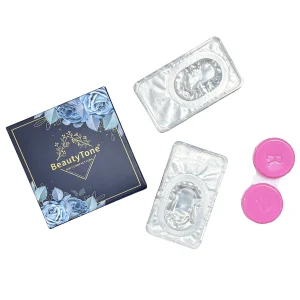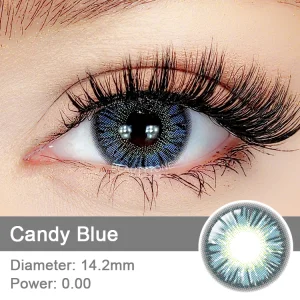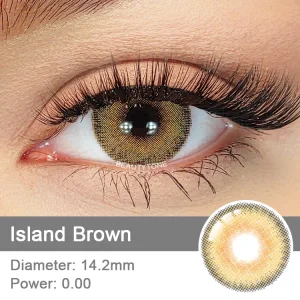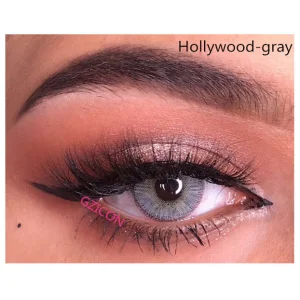
Others Contact Lenses Products Factories & Exporters for the Togo Market

B2B Optical Sourcing Guide: Premium Custom-Branded Lenses, Packaging Systems, & Direct Factory Manufacturing Protocols for West African Optical Distributors

Executive Summary: The West African Eyewear Transformation & Togo’s Strategic Import Hub

The cosmetic and corrective contact lens market in West Africa is undergoing a rapid, structural evolution. Historically dominated by high-cost European imports or uncertified, low-quality counterfeit lenses, the region is now pivoting toward direct manufacturer-to-distributor sourcing channels. At the epicenter of this transformation lies the Republic of Togo. Supported by the deepwater Autonomous Port of Lomé (PAL), Togo serves as the premier commercial gateway not only for its domestic retail market but also as the transshipment corridor for landlocked partners in the West African Economic and Monetary Union (UEMOA)—specifically Burkina Faso, Mali, and Niger.

In this industrial whitepaper, we dissect the logistics, material technology, regulatory landscape, and manufacturing processes defining the "Others Contact Lenses Products" ecosystem (which encompasses colored fashion lenses, custom packaging boxes, point-of-sale catalogs, and solution accessories). As optical distribution channels consolidate across Lomé, Kara, and Sokodé, the demand for medical-grade contact lenses paired with certified, high-end customizable branding components has surged. Chinese source-factories are stepping in to provide scalable solutions that bridge the gap between premium global safety standards and local price-point elasticities.

15M+
Annual Production Capacity
ISO 13485
Medical Manufacturing Standards
45 Days
Sea Freight Lead Time to Lomé Port
100%
Biocompatibility Verification
Direct from Factory | Scalable Contact Lens Manufacturing in China

Shenzhen Blinkylens Technology CO.,LTD is a premier, source-factory based in Dongguan, China, specializing in high-volume, B2B contact lens production. By eliminating intermediaries, we provide global distributors, optical chains, and bulk buyers with direct factory wholesale pricing without compromising on product excellence.

Our facility features multi-lane, fully automated cast-molding lines capable of scaling production up to millions of pieces annually. From daily disposable clears to trend-forward monthly colored lenses, our robust manufacturing infrastructure ensures stable lead times, hyper-competitive cost structures, and uncompromised batch-to-batch consistency. Partner with a true Chinese manufacturing powerhouse to maximize your market margins.

Industrial Base Facilities & Production Infrastructure

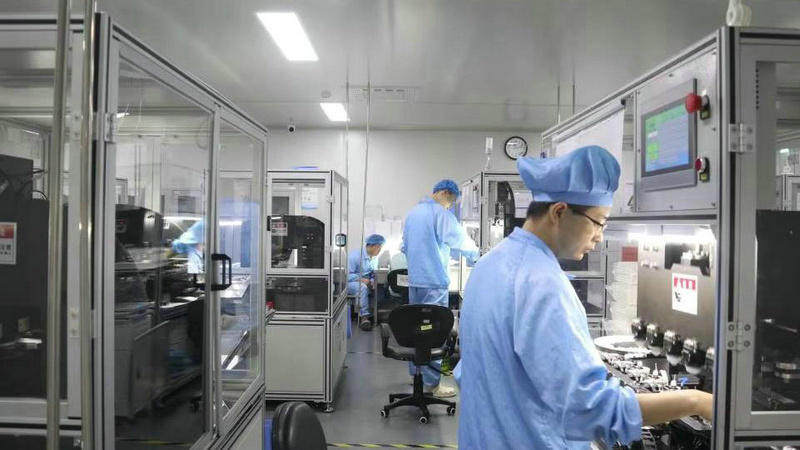
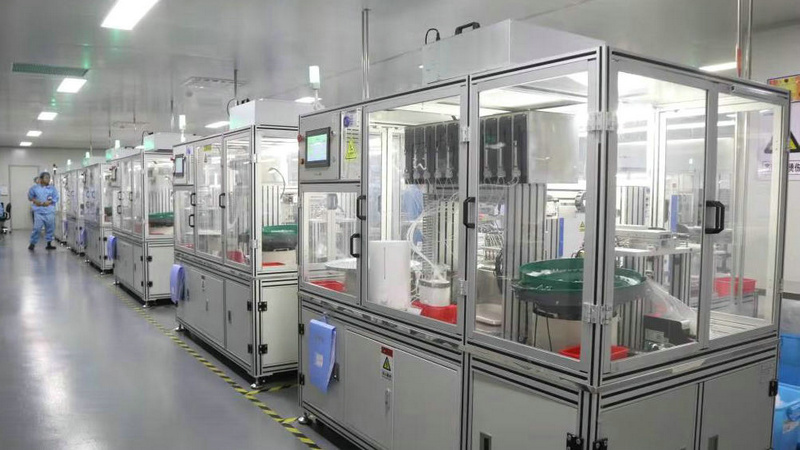
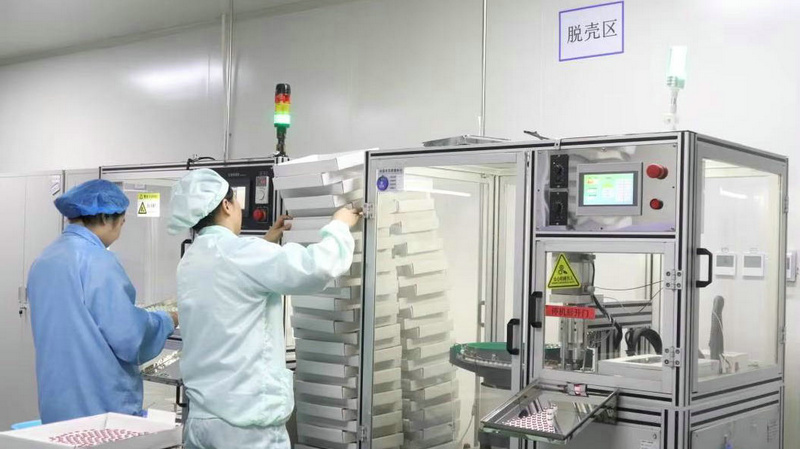
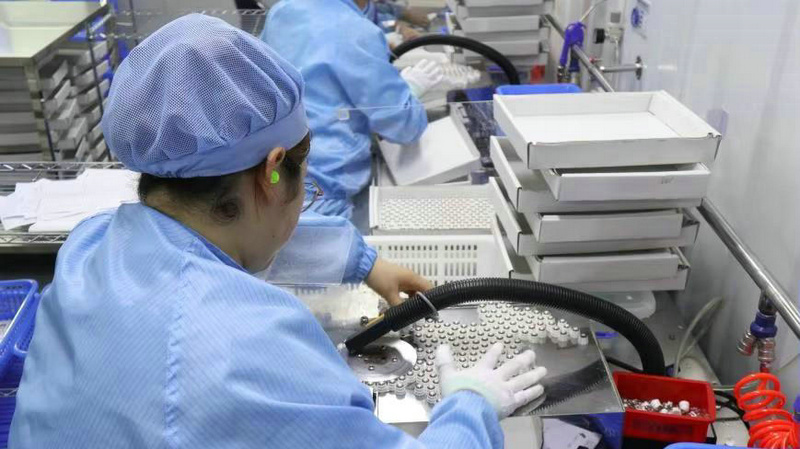
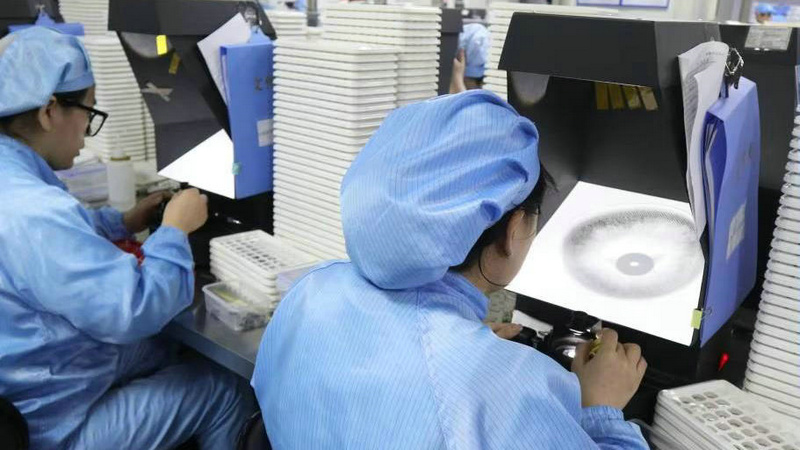
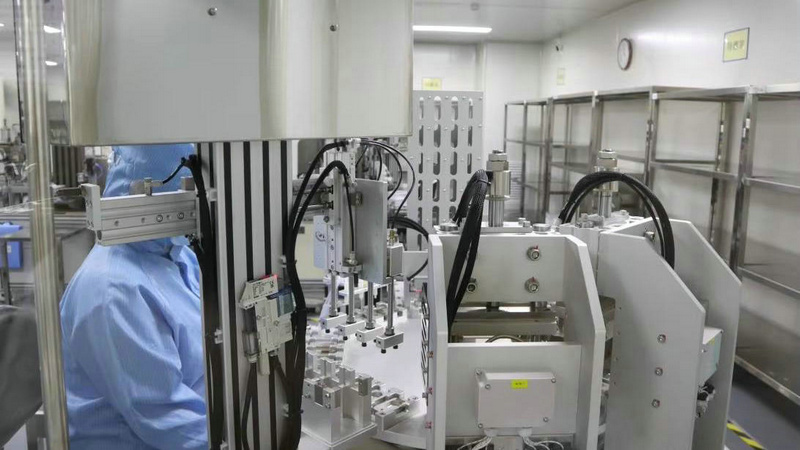
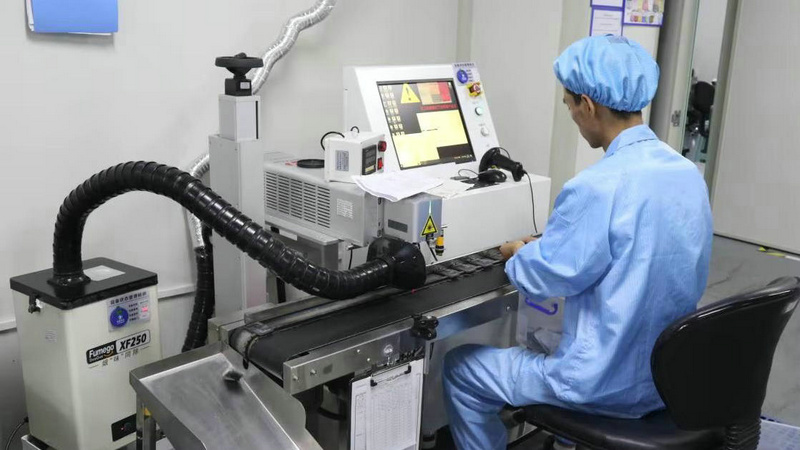
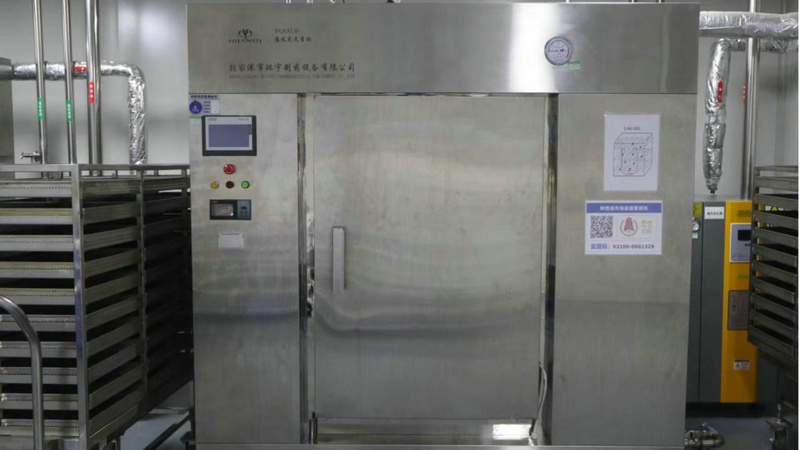
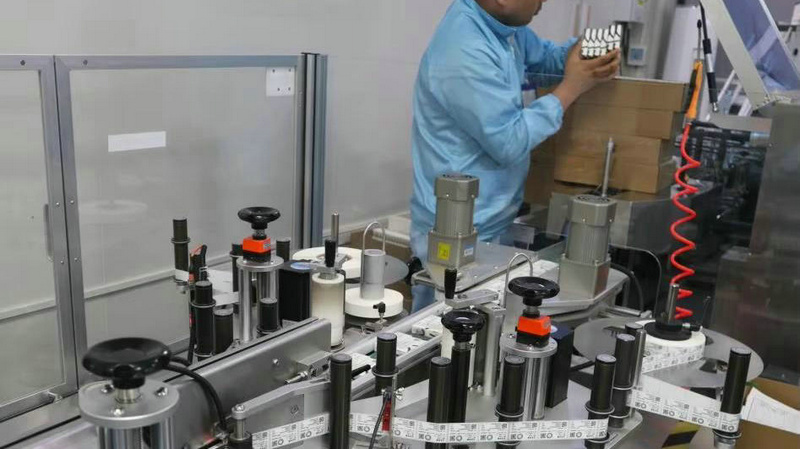
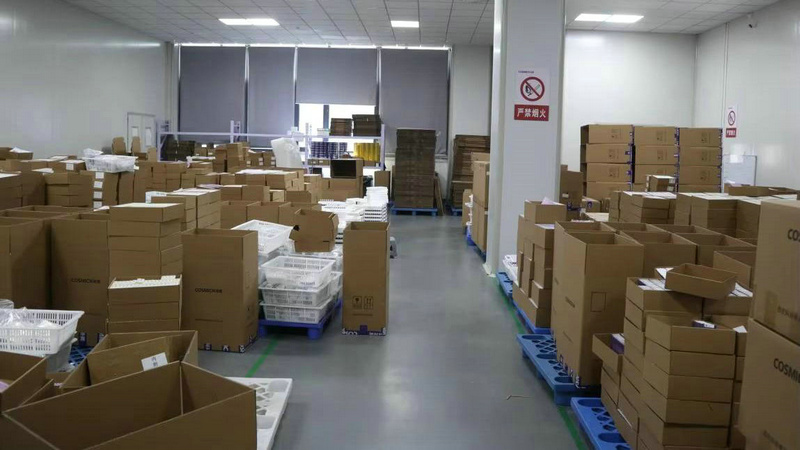
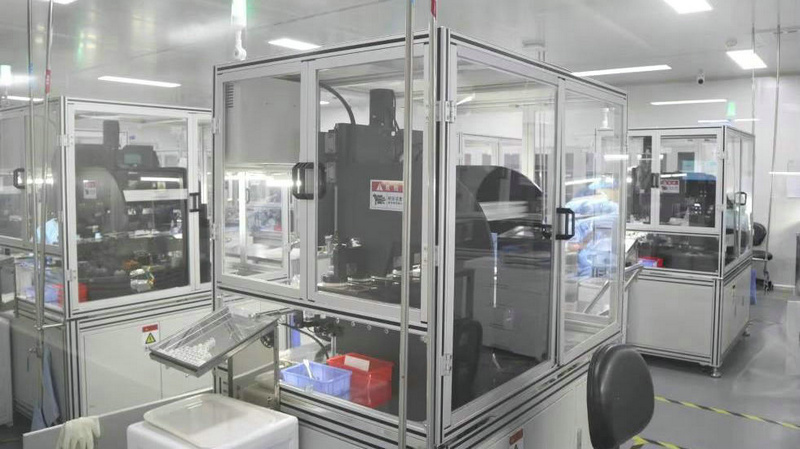
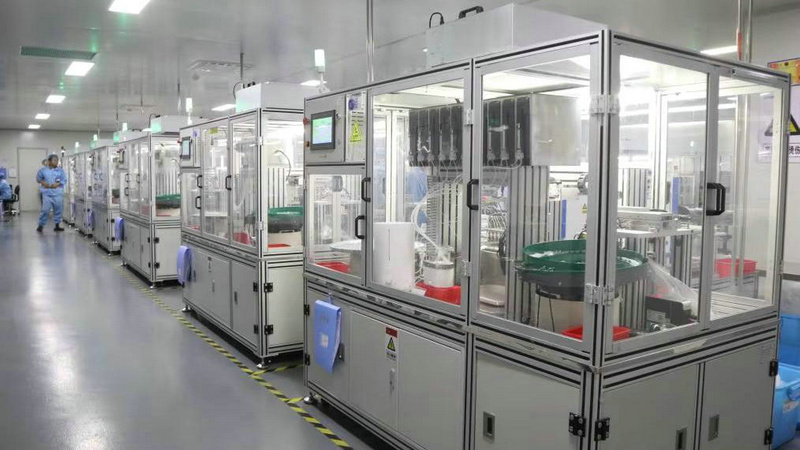
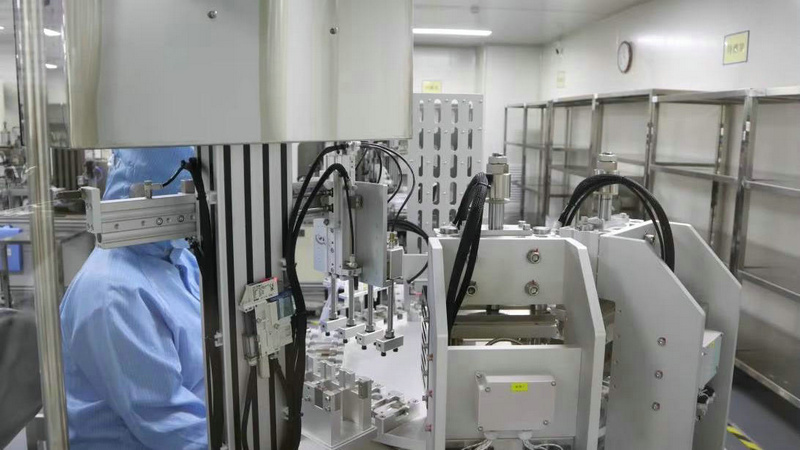
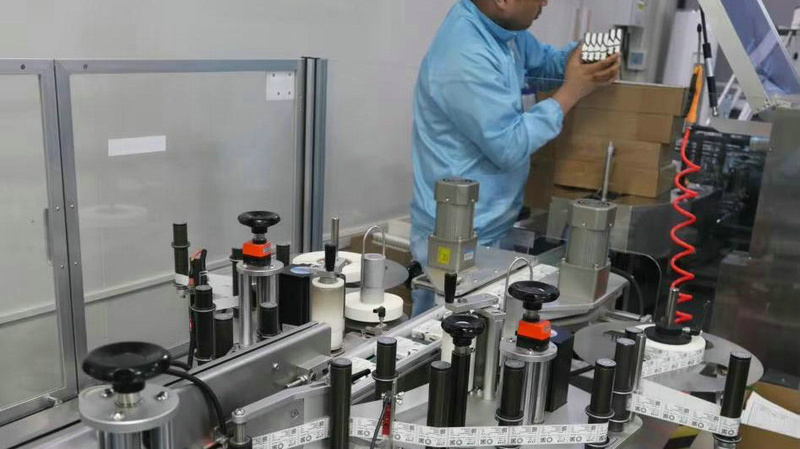
Our manufacturing complex in Dongguan incorporates cleanroom facilities rated at Class 100,000 (ISO Class 8) to ensure sterilization compliance. Below is a visual run-through of our industrial assembly zones, heavy-duty production machinery, and the specialized processing systems that fuel our global distribution networks.
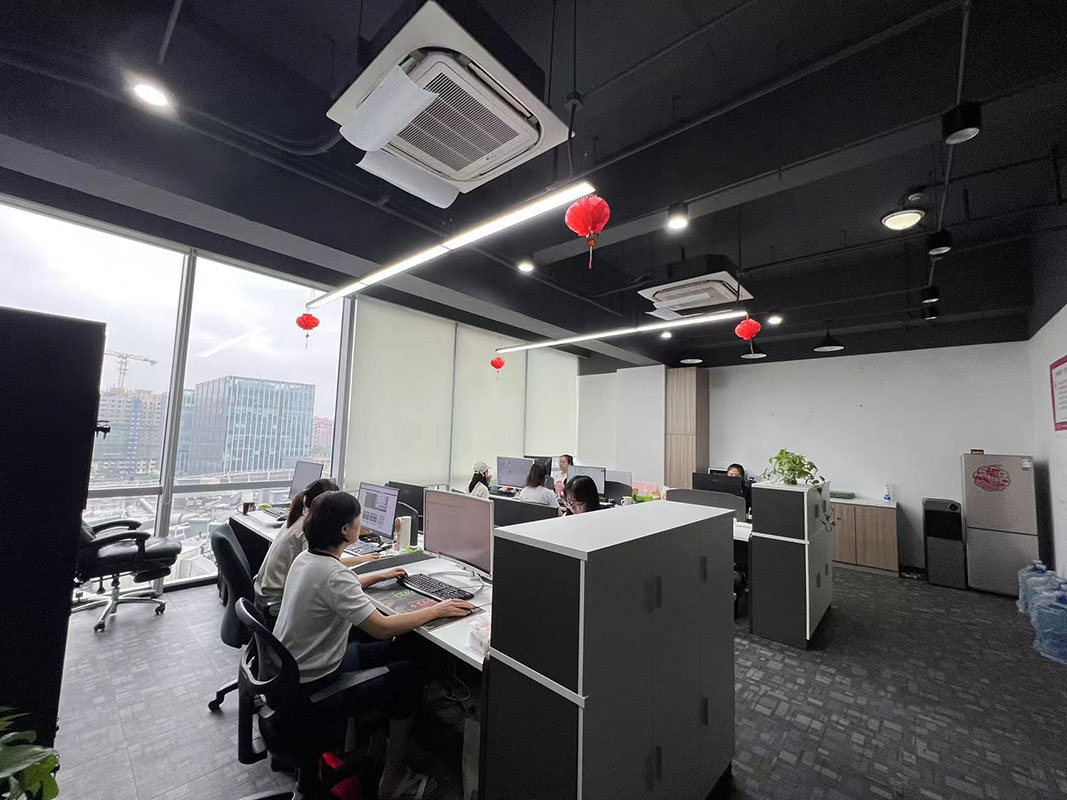

Automated Manufacturing Clean Room Blinkylens
Precision Molding Area Blinkylens
Blinkylens Quality Inspection Line
Bulk Packaging Facility Blinkylens
Automated Production Assembly Line

Technical Production Flow: 15-Step Contact Lens & Packaging Process

From raw monomer formulation to the final automated sterilizer, each step is controlled by custom machine vision algorithms to satisfy UEMOA medical import conditions.

Step 01
Printing Machine

Printing Machine

Step 02
Molding

Molding

Step 03
Demolding Machine

Demolding Machine

Step 04
Absorption

Absorption

Step 05
Softening & Cleaning

Softening & Cleaning

Step 06
Testing

Testing

Step 07
Filling

Filling

Step 08
Code Printing

Code Printing

Step 09
Sterilization

Sterilization

Step 10
Packing

Packing

Step 11
Finished Product

Finished Product

Step 12
Printing Machine 2

Printing Machine

Step 13
Molding Machine

Molding Machine

Step 14
Filling Machine

Filling Machine

Step 15
Packing Machine

Packing Machine

Sourcing & Logistics Mechanics: The Route to Lomé

Importing optical products to West Africa requires a clear understanding of regional customs laws and shipping routes. Distributors sourcing from our factories in Dongguan, China, primarily route their cargo through two key methods:

  • Ocean Freight (FCL/LCL): Shipping from Shenzhen Port or Guangzhou Port directly to the Port Autonome de Lomé. Ocean transit times usually average between 35 to 45 days. Ocean freight is highly recommended for bulk orders of protective packaging, sterile solution accessories, and high-volume yearly disposable lenses.
  • Air Cargo: Shipping via Guangzhou Baiyun Airport (CAN) or Hong Kong International Airport (HKG) to Lomé-Tokoin International Airport (LFW) for urgent custom orders or seasonal product launches. Transit ranges from 5 to 10 days, including customs clearance windows.

Under the guidelines enforced by the Togolese Ministry of Health and the Commissariat des Impôts (Togo Revenue Authority), all medical imports must carry certified laboratory declarations. Distributors must provide clear packaging labels written in French or bilingual English/French, detailed sterilization batch codes, and matching certificate compliance lists (such as ISO 13485 or CE declarations) to pass through customs without delay.

Climate Adaptability & Material Standards for West Africa

West Africa presents unique environmental challenges, characterized by the dry, dust-laden Harmattan winds originating from the Sahara, coupled with high average coastal humidity in areas like Lomé. Standard contact lens materials can cause eye irritation or dry out under these conditions. To protect the eyes of end-users in Togo, we focus on specific material adjustments:

Our lenses utilize advanced Hydrogel-based polymers (such as HEMA/EGDMA) and premium Silicone Hydrogel compositions. By optimizing the oxygen transmissibility (Dk/t ratio) and adjusting water content levels to a balanced 38% to 42%, we reduce standard dehydration rates. This keeps the lens hydrated even when exposed to dusty winds. Furthermore, our color lenses feature micro-pigmentation lock technology. This encapsulates the pigment layers between protective polymer films, ensuring the colorants never touch the delicate corneal tissue.

Togo’s Regulatory Environment: Navigating Health Codes & Customs

To successfully sell contact lenses in Togo, importers must strictly follow local safety regulations. Contact lenses are classified as Class II or Class III medical devices under the West African Health Organization (WAHO) harmonization guidelines. Below, we highlight the core requirements importers must meet:

1. Ministry of Health Registration: All medical devices sold in Togo must be registered with the Togolese Ministry of Health (Ministère de la Santé et de l'Hygiène Publique). Importers must submit technical files, manufacturing sterilization records, and proof of biocompatibility testing.

2. UEMOA Labeling Standards: Under regional UEMOA (West African Economic and Monetary Union) laws, instruction inserts and packaging information must be available in French. Information must include clear lists of raw materials, water content percentages, base curve sizes, expiry dates, and sterilization methods.

3. Customs Valuation & Pre-Shipment Inspection: To prevent importing low-quality goods, Togo uses pre-shipment inspections managed by verification agencies like COTECNA. Buyers must ensure that all shipments from China are fully certified before leaving port to avoid costly delays at Lomé customs.

Frequently Asked B2B Sourcing Questions

What is the typical Minimum Order Quantity (MOQ) for custom-printed contact lens boxes shipping to Togo?
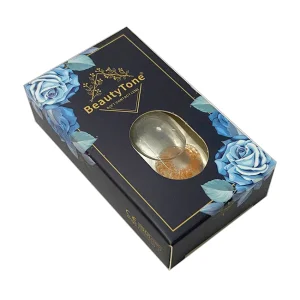
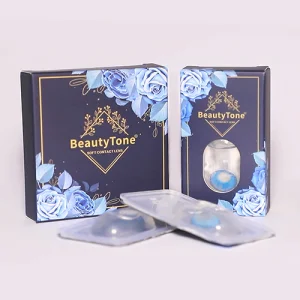
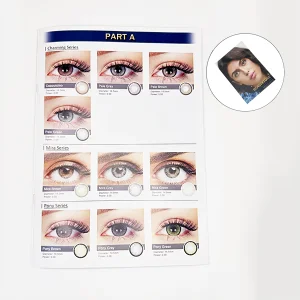
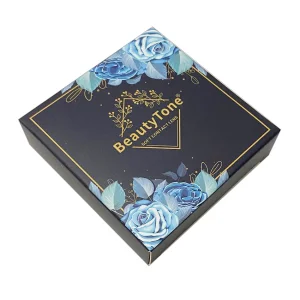
For custom packaging boxes and retail catalog prints, the standard factory MOQ is 3,000 units per artwork variation. However, we offer trial orders starting at 1,000 units for new distributors establishing their brands in Togo and neighboring West African markets.
How do you guarantee contact lens hydration and comfort under dusty Harmattan conditions?
We adjust our polymer formulation by incorporating high-purity Hydrogel materials that maintain a stable 38% to 42% water content. This balanced moisture profile, paired with high oxygen permeability, prevents the lenses from drying out due to dry Saharan winds.
Do your manufacturing facilities meet international health and safety certifications?
Yes. Our manufacturing facilities are ISO 13485 (Medical Devices Quality Management) certified. Every lens batch undergoes strict visual inspection, spectrophotometry testing, and autoclave sterilization, meeting the entry regulations for the Togolese Ministry of Health.
What shipping methods and payment terms are available for buyers based in Lomé?
We support Ocean Freight (FCL/LCL) directly to Lomé Port (PAL) and Air Cargo for urgent shipments. Payments can be settled via Telex Transfer (T/T), Letter of Credit (L/C), or secure commercial payments, with flexible deposit structures for long-term wholesale partners.
Can we print packaging text in French to meet West African UEMOA packaging regulations?
Absolutely. We offer complete graphic design localization. We can print user guides, packaging boxes, and product catalogs in French, English, or bilingual layouts to ensure compliance with Togo customs and local optical agencies.

Expand Your Optical Distribution Network Across West Africa

Partner directly with an ISO-certified Chinese source factory. Get customizable packaging, French localized user guides, and optimized shipping rates straight to Lomé Port.

Send Inquiry Now